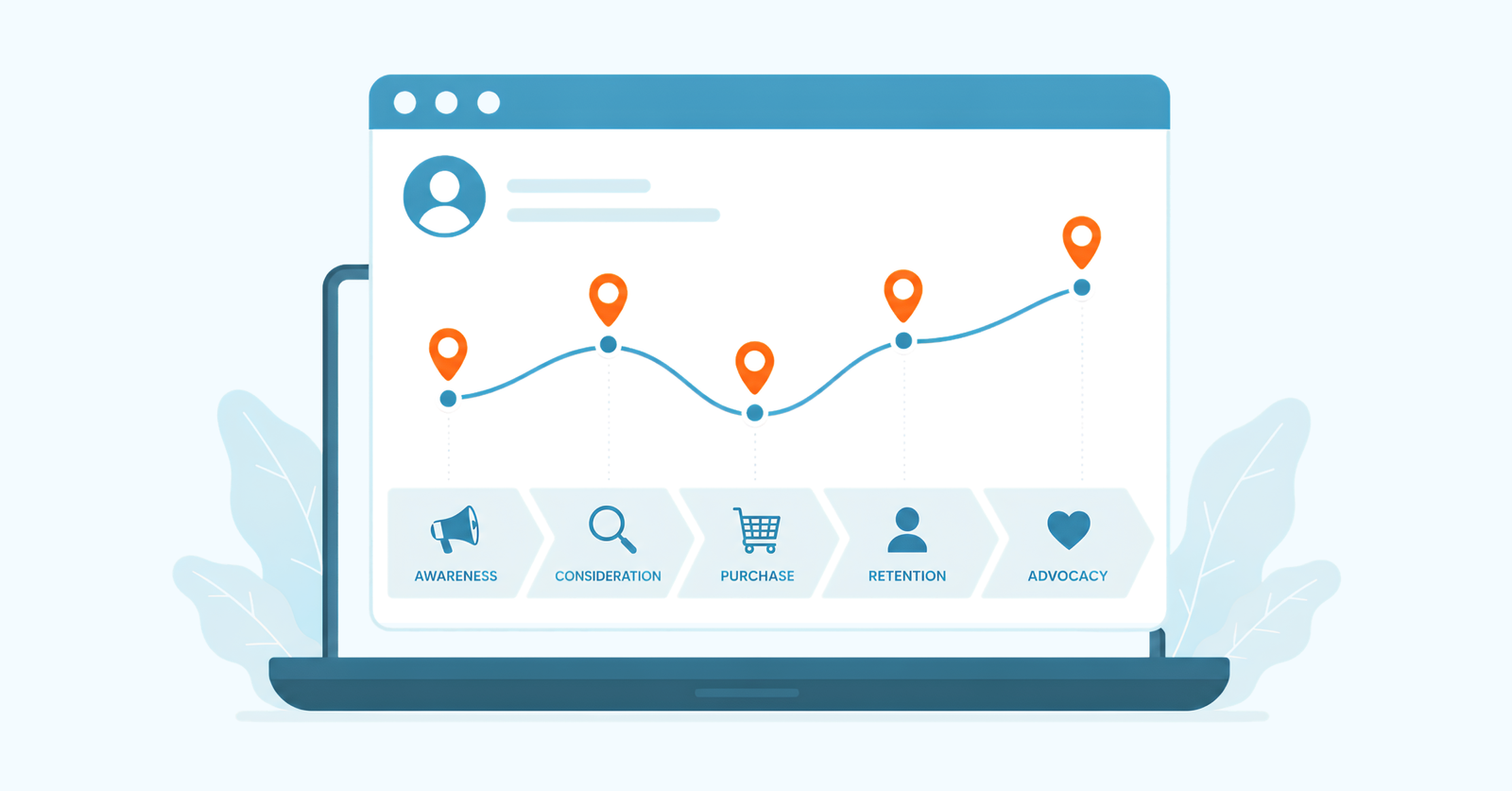
What is Customer Advocacy: Types, Strategies and Benefits
Customer advocacy turns satisfied customers into brand champions. Explore its types, key strategies to enhance it and how it helps build long-term business growth.

Customer advocacy turns satisfied customers into brand champions. Explore its types, key strategies to enhance it and how it helps build long-term business growth.
Winning genuine customer loyalty isn’t about flashy campaigns or big ad spends. It’s about what people say when you’re not in the room. Customer advocacy is simply that – satisfied customers who choose to speak up for you because their experience was worth sharing. 72% of clients tell six or more others about their satisfying experience.
We will uncover what advocacy actually is, why it carries more weight than traditional marketing and how you can build it into your business. Learn about the clear strategies, practical examples and ways to measure progress to help you strengthen relationships with the customers who already trust you.
Customer advocacy refers to an approach that puts real relationships at the center of your business. It means turning satisfied customers into people who genuinely want to support and speak up for your brand, not because they’re paid to, but because they believe in what you offer.
The approach starts with delivering great products and experiences. When customers feel seen, heard and valued, they naturally share those moments. Businesses that recognize the approach create space for those voices, whether through reviews, testimonials, case studies or referrals. Some even build structured programs to support and celebrate their most enthusiastic customers, always keeping the focus on honesty.
Key principles:
A customer advocate refers to someone inside the company whose main job is to speak up for the customer. They make sure real customer concerns, feedback and needs are addressed not just at the support level, but throughout the entire organization.
The role matters more than ever as customer loyalty has become harder to earn and easier to lose. Customer advocates help businesses stay connected to what really matters to people using their products or services. They help reduce frustration, prevent churn and build stronger, longer-lasting relationships by tackling pain points early.
Key roles:
Let’s go through the different types of customer advocacy that organizations can develop and nurture to create a strong customer-centric culture.
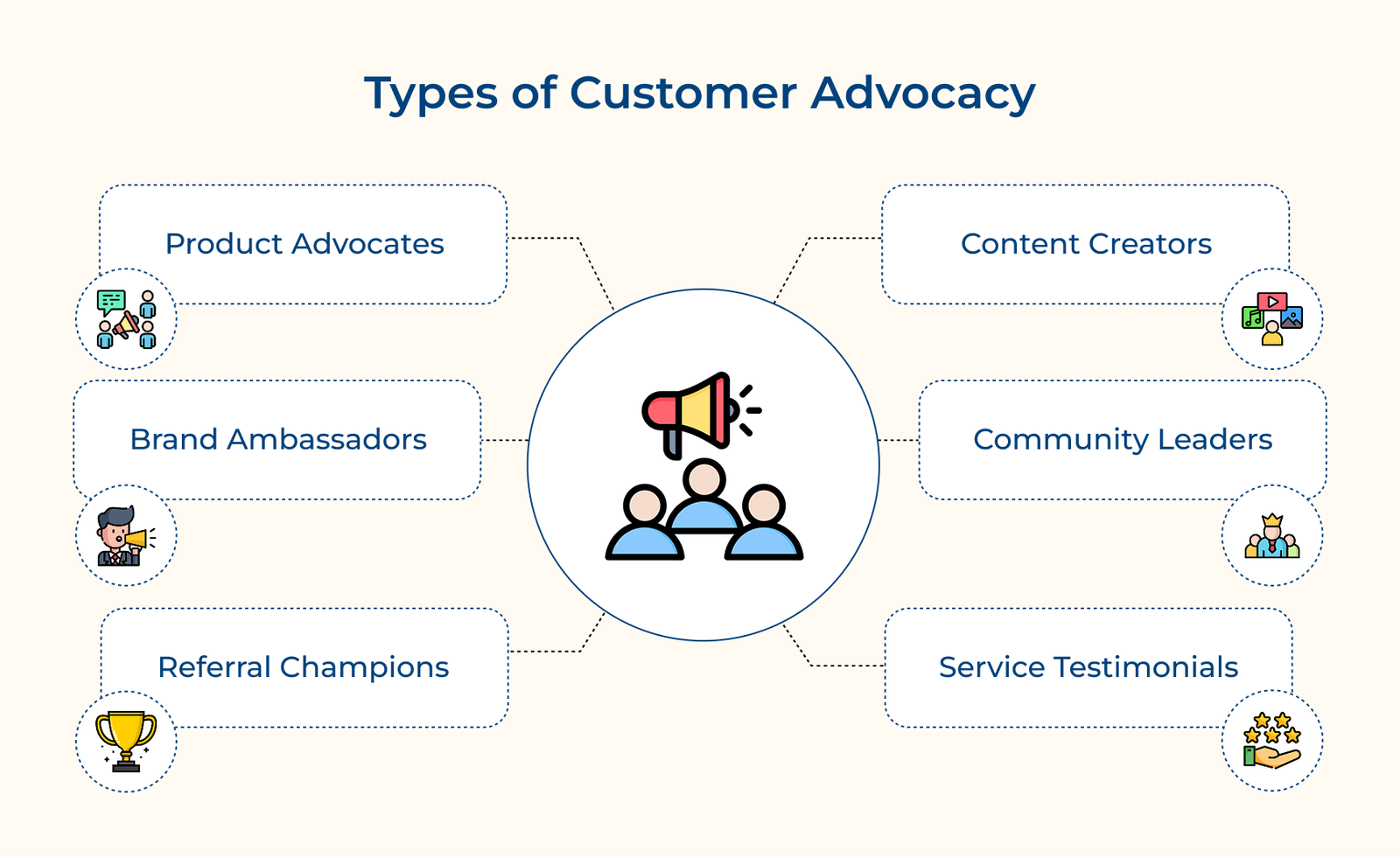
Product Advocates
They are the customers who truly enjoy using your product. They notice the details, offer helpful feedback and often share tips with others on how to get the best out of what you offer. You’ll see them in reviews, on social media or helping someone troubleshoot a feature because they care and want to improve things.
Brand Ambassadors
Brand ambassadors connect with more than just your product, they connect with your purpose. They stand behind what your company believes in and speak up for it. Whether it’s in online communities, social conversations or one-on-one discussions, they’re the ones telling your story and standing by your side.
Referral Champions
The people don’t just recommend your product, they bring others along with them. They’ve had a great experience, they trust what you offer and they’re quick to tell friends, coworkers or family about it. Be it through a formal program or just because they want to help, they’re out there spreading the word.
Content Creators
Some customers go a step further and create thoughtful, real-world content based on their experiences with your brand. Be it a blog post, videos or a social media thread, they share their story in a way that others can relate to. Their voice is authentic and that’s what makes it powerful.
Community Leaders
The customers help shape the space around your brand. They answer questions, welcome newcomers and make sure others feel supported. Whether it’s in a forum, a Facebook group or a Slack channel, they help keep things running smoothly and people coming back.
Service Testimonials
They are the people who had a tough moment and got the help they needed. They remember how your team handled it and they tell others about it. Whether it was fast, thoughtful or just plain human, the support they received stuck with them. Their stories show others what kind of company you are when it counts.
Below is a step-by-step guide to implementing a customer advocacy program that drives growth and enhances your brand’s reputation. Let’s check them out.
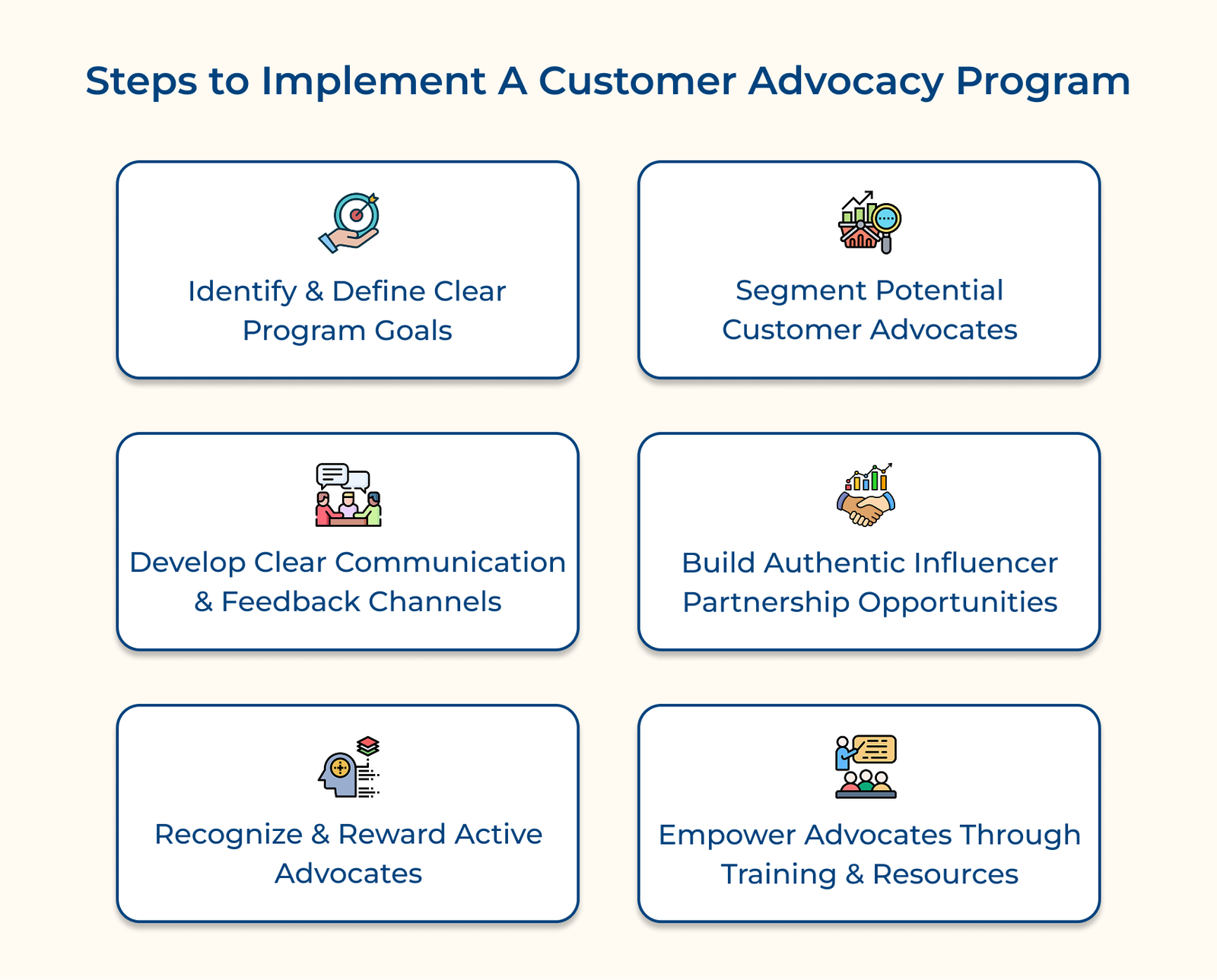
A strong customer advocacy program starts with clear, practical goals that tie directly to your company’s overall direction. When you define what success looks like from the beginning, it’s easier to track progress and show how the program contributes to the business in real terms.
Pro tips:
Start by looking at customer data to spot people who are already acting like potential advocates. They are the customers who give you consistent positive feedback, regularly interact with your content or use your product in ways that show real success.
Once you’ve identified them, go deeper. Build out simple profiles that reflect who they are—how engaged they are, what they know, and how likely they are to support your brand. Some might be experts in their field, while others just love sharing their experiences.
Open and honest communication is essential to building a strong advocacy program. Your advocates should feel like they have a voice and that someone is listening. It means creating simple, reliable ways for them to share ideas, ask questions and offer feedback. Some of the most effective channels include:
Give advocates real opportunities to share what they know and how they’ve succeeded with your product. The goal is to build honest partnerships – ones that respect their time, interests and expertise, while also reaching the audience you care about.
Support them with the tools they need, but let them speak in their voice. Whether it’s a case study, a how-to video or a social post, their story will carry more weight when it’s told their way.
Build a recognition program that shows your advocates you notice and appreciate their efforts, big or small. A thank-you at the right moment can mean more than a flashy reward. Mix practical rewards with things that feel special: early access, direct conversations with your team or chances to take part in something behind the scenes.
Make it timely and make sure it reflects what motivates each group of advocates. When people feel genuinely seen and appreciated, they’re far more likely to stay involved.
Helping your advocates succeed starts with giving them the right tools and information. A solid training program should focus on what they need to feel confident speaking on your behalf, without asking for too much of their time.
Key questions:
Let’s go through nine effective strategies to elevate your customer advocacy game, ensuring that you build a loyal community eager to share their positive experiences.
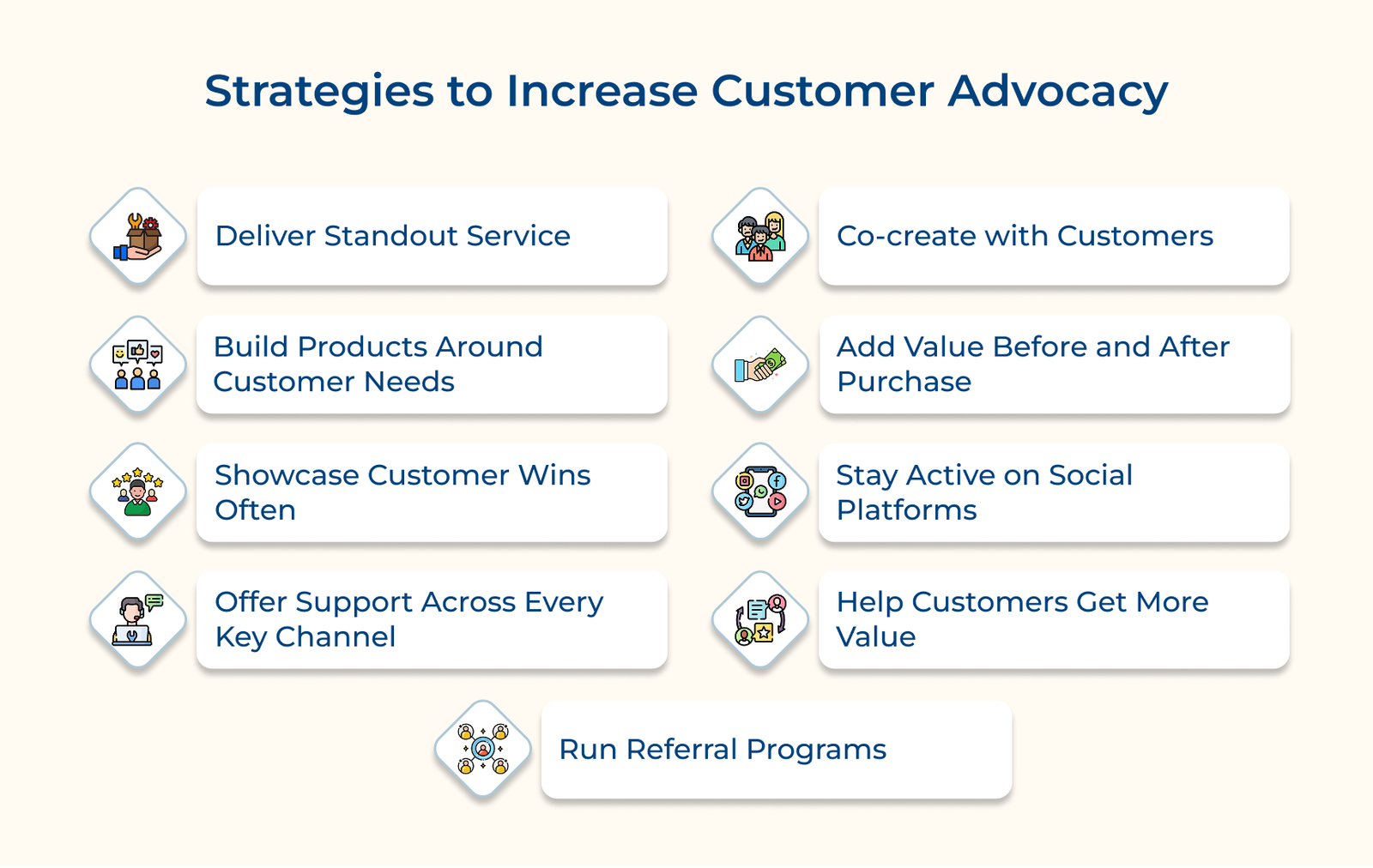
Great customer service isn’t just about solving problems, it’s about making customers feel heard, respected and supported. When people constantly have positive, memorable experiences with your team, they’re more likely to stick around and to tell others why they trust your company.
The core of the kind of service is empathy. When your team knows how to recognize what customers are feeling and respond with real care, it builds trust. It shows customers they’re more than just a ticket number.
Pro tips:
Putting customers at the center of product development means listening closely to what they need and building with that in mind. When your product truly solves real problems, customers naturally want to share it with others.
When you base feature priorities on what users truly need, you avoid wasting time on things that don’t make a difference. Testing new ideas with customers before launch gives you a chance to fine-tune them and builds a sense of shared ownership in the product’s success.
Actionable tips:
Customer success stories are one of the most effective ways to build trust with new customers. When people hear real experiences – what worked, what changed and why- it means more than any polished sales pitch.
Video testimonials, in particular, bring the stories to life. Here are a few types worth creating:
1. Journey-based stories: The testimonials follow the full arc of a customer’s experience, from the problem they faced, through how they used your product, to the results they achieved.
2. Quick-win testimonials: Short videos that focus on one feature or benefit that made a clear, fast difference. They are great for social media or email, where attention spans are short but impact still matters.
3. Industry-specific stories: The testimonials show how your product solves real problems in specific fields. When someone sees a peer in their industry succeed, it’s easier for them to trust that your solution will work for them too.
Conducting thorough focus group testing provides invaluable insights into how real customers interact with and perceive your product. Groups of 6-8 customers engage in guided discussions while trained moderators observe their reactions and gather detailed feedback about user experience.
A strong, multi-channel support system is one of the most effective ways to build customer trust and loyalty. When people know they can get reliable help anytime, in the way that works best for them, they’re more likely to stay with you and recommend your brand to others.
Integrate support across all platforms
Support should feel the same no matter where someone reaches out—email, chat, phone or social media. It means giving your team the tools to see a customer’s full history, so they can pick up the conversation smoothly, without asking the same questions twice.
Provide 24/7 customer assistance options
People don’t just need help during business hours. Combining automated support, like chatbots that handle simple questions, with live support across time zones makes sure customers aren’t left waiting. What matters most is that help is always within reach.
Develop Self-Service Knowledge Base Resources
Many people prefer to solve problems on their own if the information is easy to find. A solid knowledge base, complete with clear articles, how-to videos and step-by-step guides, can make a big difference. Keep it updated based on what customers are asking, so it stays useful.
When you involve customers directly in shaping your product, they stop being just users, they become true partners. The collaboration builds loyalty and trust because people are more likely to support what they’ve helped create.
Host customer innovation feedback sessions
Bring customers into the conversation. Set up sessions where they can openly share what’s working, what’s not and what they wish your product could do. The meetings not only uncover useful ideas, but also show customers that their opinions truly matter.
Create customer advisory board meetings
Choose a small group of experienced, thoughtful customers and meet with them regularly to discuss the direction of your product. Their feedback helps your team focus on what matters most. Over time, the customers often become trusted advocates; they’ve had a hand in shaping what you’ve built.
Implement customer suggestion review process
Have a clear system for collecting, reviewing and acting on customer suggestions. Let people know what’s being considered, what’s in progress and what’s been delivered. Even when a suggestion isn’t used, the simple act of acknowledging it shows respect and keeps people engaged.
The best way to turn customers into advocates is to keep delivering value, not just when they sign the contract, but at every step of the journey. When customers feel supported before, during and long after a purchase, they’re more likely to stick around.
As your customer base grows, it gets harder to give everyone the same level of attention. The trick is finding the right mix of smart automation, like usage alerts or content recommendations and personal moments that still feel human, whether it’s a thoughtful email, a quick check-in or a surprise thank-you.
Social media isn’t just a place to post updates; it’s where real conversations happen. When customers feel heard, they’re more likely to talk about your brand in positive ways and recommend it to others. The key is to show up with content that’s actually useful and create space for people to connect.
Share valuable industry content regularly
If you want people to engage with your content, make it worth their time. Share honest insights, helpful tips and practical advice that people can use in their day-to-day work. When your content helps them solve problems or learn something new, they’ll share it, without needing a push.
Create engaging community discussion topics
Go beyond updates. Ask questions. Share real stories from customers. Start a thread about a challenge your industry faces and invite people to weigh in. When customers see their thoughts valued and reflected in your posts, they’re more likely to speak up.
Let’s go through the key benefits of customer advocacy and see how turning satisfied customers into active supporters can strengthen your brand.
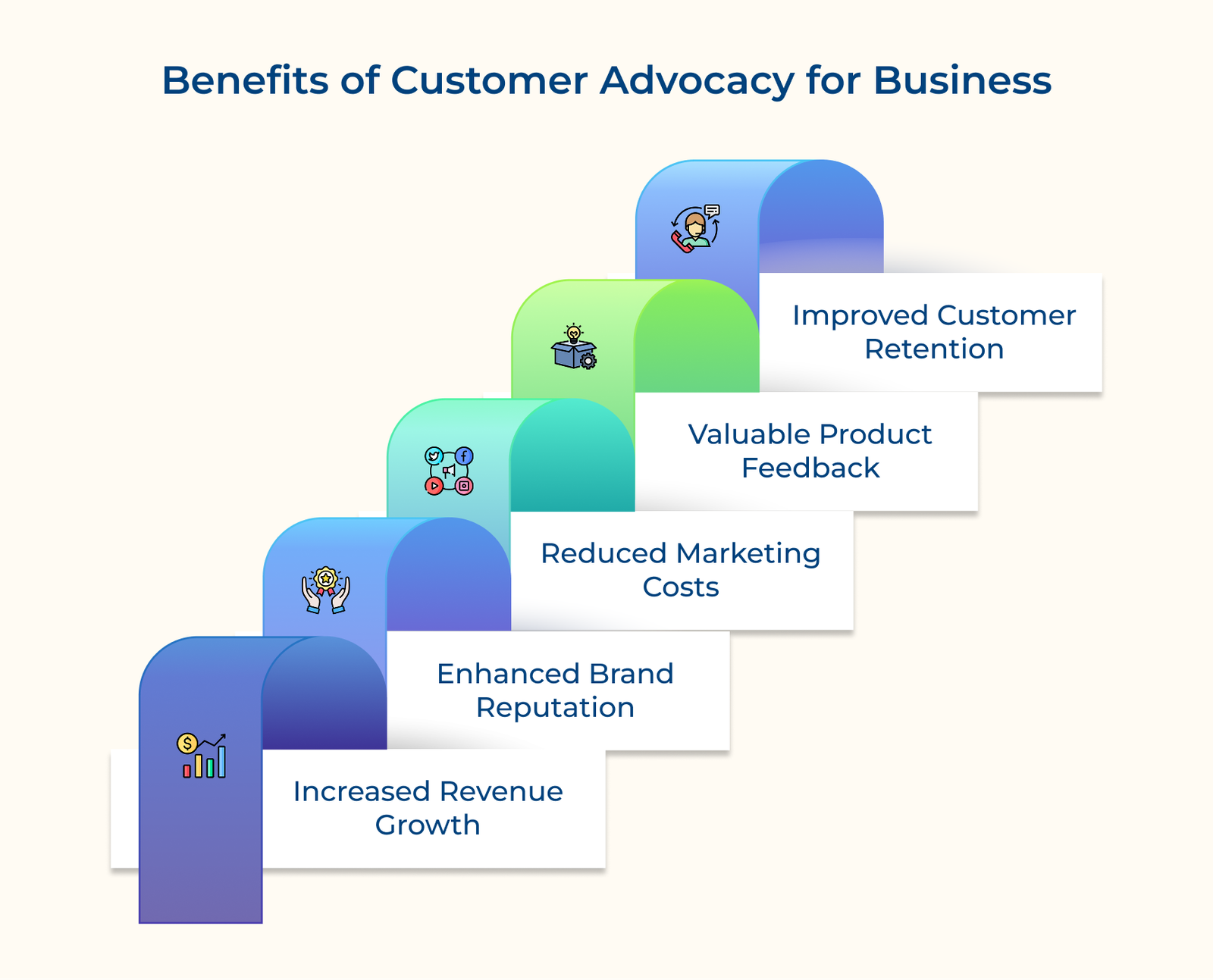
Increased Revenue Growth
Happy customers often bring in new ones. When people share their good experiences, others listen and buy. Referrals and recommendations from trusted sources lead to higher conversion rates. The referred customers tend to stick around longer, making them more valuable over time.
Enhanced Brand Reputation
When real customers speak positively about your product, it means more than any ad. Their honest stories and reviews shape how others see your brand, helping build trust with new audiences who are looking for proof, not just promises.
Reduced Marketing Costs
Advocates promote your brand naturally, without needing big advertising budgets. Whether it’s a social post, a review or a recommendation in conversation, their support spreads the word more efficiently and often more effectively than paid campaigns.
Valuable Product Feedback
Advocates care enough to tell you what’s working and what’s not. Their input helps you fix issues, fine-tune features and stay focused on what matters most to your users. It’s like having a direct line to what your customers need.
Improved Customer Retention
People who feel heard and appreciated are more likely to stay. Advocacy programs that encourage real connection and involvement help build loyalty. Even when things go wrong, customers who feel valued are more likely to give you the benefit of the doubt and stick around.
The following are the key measurements that help evaluate advocacy program effectiveness and guide strategic improvements.
Key questions:
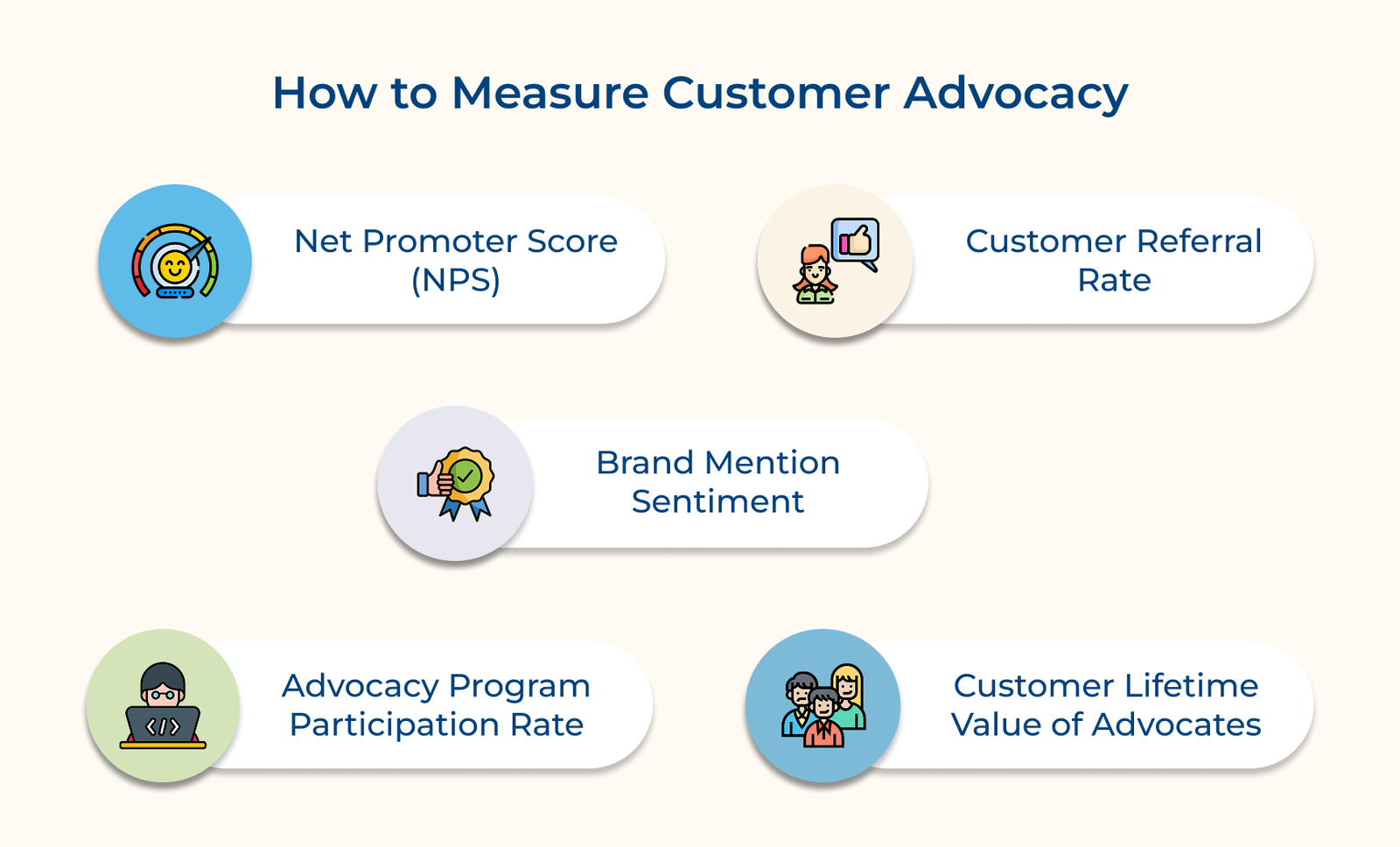
NPS tells you how likely customers are to recommend your brand. It’s a simple way to track loyalty: subtract the percentage of unhappy customers from those who are enthusiastic. Regular check-ins help you spot shifts in satisfaction and address issues early.
The metric shows what percentage of new customers come from word-of-mouth. It’s not just about how many referrals you get, but how well those referrals convert. Comparing referral leads to other sources gives a clear picture of your program’s impact.
What are people saying about you online and how do they say it? Tracking positive vs negative mentions across social and review sites helps you see how customers feel. It helps you analyze how advocacy is shaping your reputation.
The metric measures the percentage of eligible customers actively participating in your advocacy programs. Track engagement levels across different activities like content creation, referrals and community participation. It helps identify which advocacy initiatives resonate most strongly with your customers.
Do advocates stay longer, buy more, or upgrade more often? Comparing long-term value between advocates and other customers shows if your efforts are paying off. You can also understand where you should be investing for growth.
Below are examples of companies that have successfully built strong customer advocacy programs.
Apple
Apple’s advocacy starts with the product itself. Their ecosystem is designed to work effortlessly across devices, making the experience more valuable the more you invest in it. Add in their Genius Bar, the support model that offers real human help in-store and you have a formula that builds trust. Apple users don’t just buy, they defend. Many become passionate promoters, recommending Apple even at a higher price point, because they believe in the experience it delivers.
Airbnb
Airbnb turns everyday hosts into its strongest advocates. They provide extensive support resources for hosts’ storytelling opportunities through their community features and regular host meetups to share experiences. The approach creates a network of hosts who feel invested in the platform’s success. Their first-hand experiences draw in new hosts and guests and help keep the Airbnb experience human.
Starbucks
Starbucks builds advocacy through habits, personalization and values. Their app tracks preferences, offers rewards and makes ordering easy. But it’s not just about convenience; they also invite customers to be part of their social efforts and give input on new products. The connection makes customers feel involved. Many go beyond just buying coffee; they share their orders online, try out new offerings and back the brand’s mission in public spaces.
Turning happy customers into strong advocates takes more than just offering a good product or service. It requires a thoughtful approach that focuses on building real relationships and creating experiences worth talking about. Effective advocacy programs start by understanding what your customers need and care about.
When you support customers with the tools, knowledge and recognition they deserve, they’re more likely to speak up on your behalf, not because they’re told to, but because they want to. Strong customer advocacy does more than boost referrals. It builds trust, shapes better products and forms a community of loyal customers who help your business grow in lasting, meaningful ways.

A customer becomes an advocate when they genuinely believe in what your brand offers and show it by sharing their experiences with others. They don’t just use your product—they talk about it, recommend it and stand by it. Advocacy isn’t about being asked to promote a brand—it comes naturally when customers feel a real connection and see consistent value.
A customer advocate bridges the gap between customers and your company. Internally, they make sure customer voices are heard by identifying common pain points and helping teams improve products or services. Externally, they create ways for satisfied customers to stay involved through events, feedback sessions or recognition programs so the voices continue to shape your company’s direction.
Listening to what people say about your brand online helps you spot loyal customers who are already talking positively about their experiences. You strengthen the relationship by engaging with them, thanking them or just acknowledging their support. It also lets you respond quickly to concerns, turning possible frustrations into advocacy moments.
A customer advocacy program is a structured way to invite happy customers to play a bigger role in your brand’s story. It could mean sharing testimonials, referring others, giving feedback or being part of product discussions. The idea is to make it easy for customers to get involved and rewarding enough for them to want to keep doing it.
People trust other customers more than ads. When your customers genuinely speak up for you, it builds trust with others and that trust turns into growth. Advocates also stay longer, spend more and give useful feedback that helps you get better. It’s not just good for marketing—it’s good for the whole business.
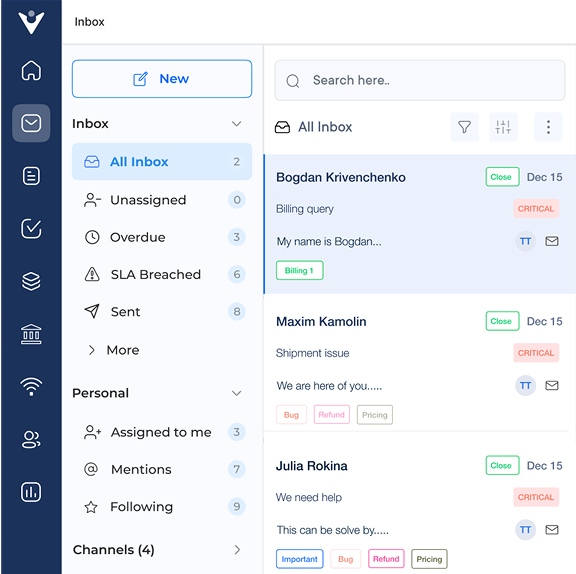
Grow Customer Relationships and stronger team collaboration with our range of products across the Conversational Engagement Suite.
Omnichannel Customer Support & Help Desk Software
AI Enabled Business Messaging and Chatbot Software
Sales Engagement & CRM Software
Call Center Software & Virtual Phone System
Product Marketing & Experience Platform
Customer Experience & Feedback Management Software

 Top 20 Empathy Statements for Customer Service in 2026
Scroll to top
Top 20 Empathy Statements for Customer Service in 2026
Scroll to top