Customer Service Quality Assurance: A Comprehensive Guide
Learn about the essentials of customer service quality assurance. Dive into the practical strategies to monitor, evaluate and improve support interactions for better customer satisfaction.

Learn about the essentials of customer service quality assurance. Dive into the practical strategies to monitor, evaluate and improve support interactions for better customer satisfaction.
Keeping support quality consistent is tough. As teams grow, customer expectations rise, and conversations spread across channels, even well-run companies see standards slip. When ticket volumes climb, small mistakes often go unnoticed until they snowball into bigger problems that frustrate customers and chip away at trust.
A thoughtful customer service quality assurance program changes that. 86% of organizations agree that QA helps in improving the service quality. It gives teams a way to spot issues early, coach effectively and deliver a more reliable experience. With the right reviews, feedback loops and training in place, support stops being reactive and becomes a real driver of customer satisfaction.
Let’s dive in to understand how to build a strong QA process from the ground up, with practical steps you can apply whether you’re starting fresh or refining what you already have.
Customer service quality assurance (QA) refers to a structured way to review and improve how support teams interact with customers. The goal is to ensure every interaction meets a consistent, high standard of care.
The QA process starts with defining what “good service” looks like. A team of reviewers regularly checks a selection of customer conversations. The insights gathered aren’t just filed away, they’re used to coach team members, strengthen training programs and improve the overall customer experience.
Key principles:
Let’s go through the benefits of customer service quality assurance to understand how it can transform the way your organization interacts with its customers.
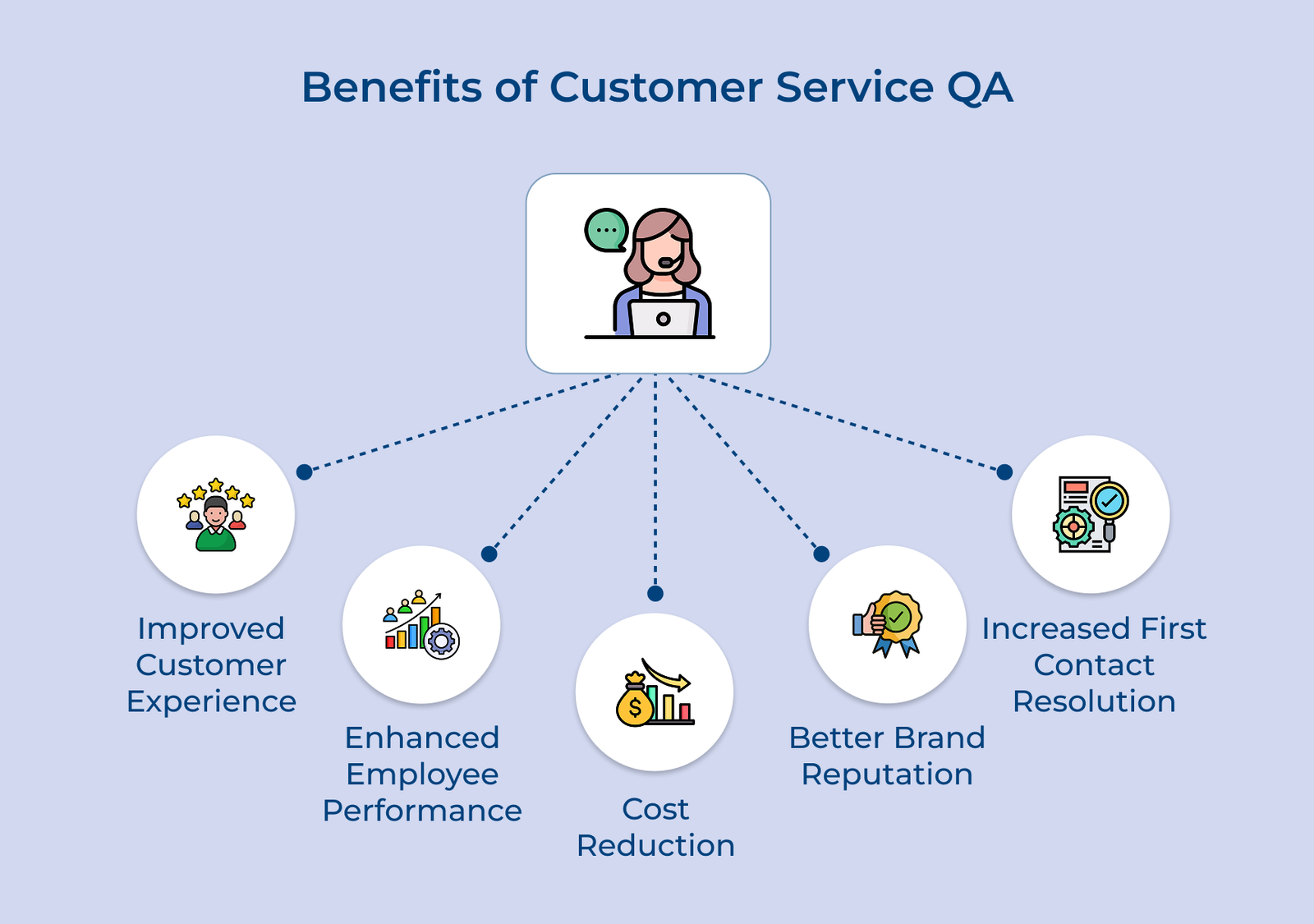
Improved Customer Experience
A customer gets the same dependable help every time, be it through chat, email or call. The predictability builds trust and makes people feel valued.
Enhanced Employee Performance
Routine reviews show the customer support team what they’re doing well and where they can improve. Reps grow more confident and effective with specific tips, not vague scores.
Cost Reduction
Catching small missteps early prevents pricey fixes later. Less time is spent on escalations, freeing up resources to improve service instead of patching errors.
Better Brand Reputation
Consistent, helpful support turns customers into fans who tell others. Positive word‑of‑mouth draws new buyers and keeps current ones loyal.
Increased First Contact Resolution
Regular feedback sharpens agents’ problem‑solving skills. Issues get resolved in a single interaction, which keeps customers happy and reduces follow‑up workload.
The following are the essential steps to establish effective customer service quality assurance in your organization.
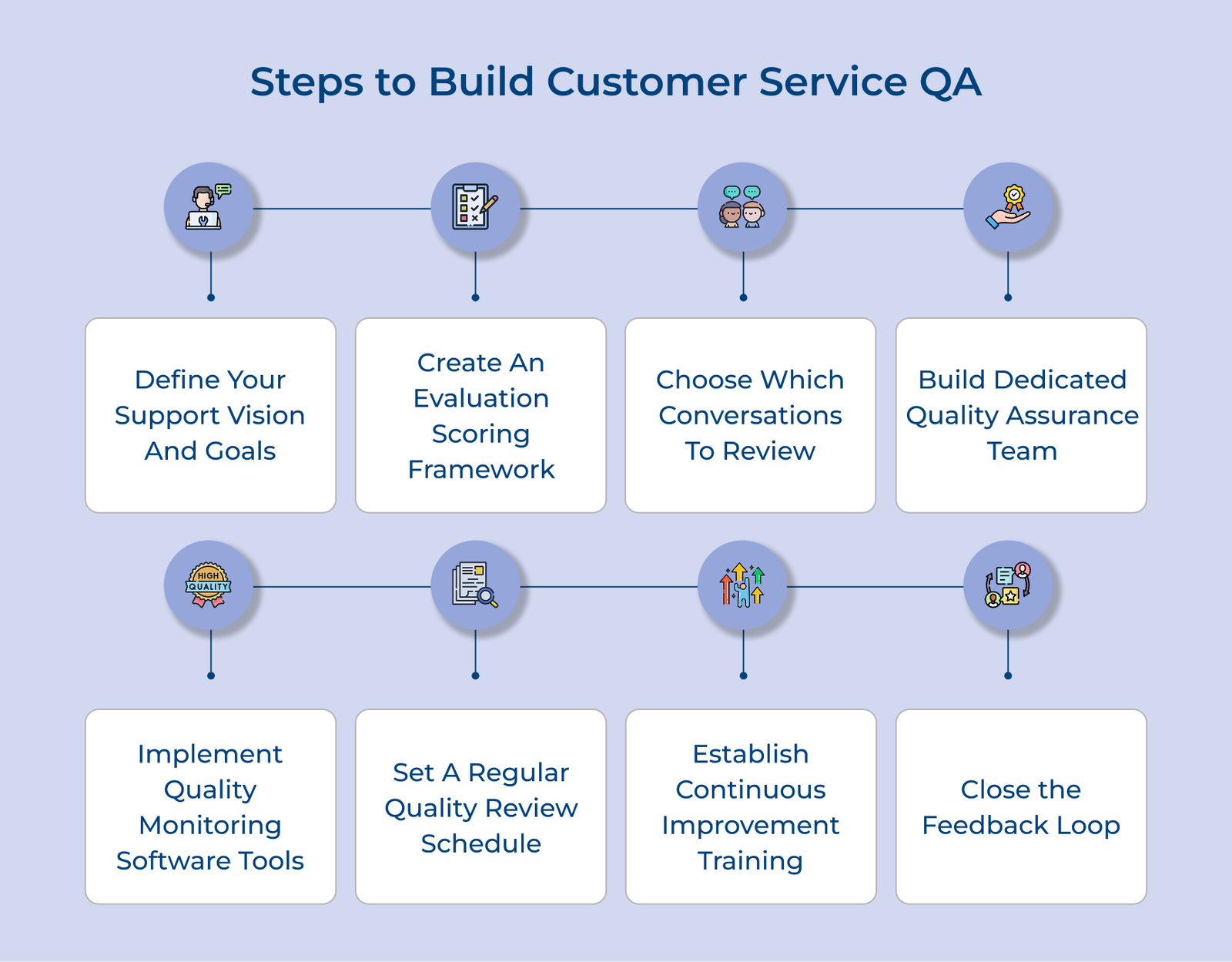
A clear support vision anchors your quality assurance program. When every agent knows what “great service” means, backed by concrete metrics like CSAT and first-response time, QA reviews become purposeful rather than box‑checking. Transparent goals enable the team to see how daily interactions connect to broader customer-experience promises.
Equally important are channel-specific benchmarks that spell out the right tone, accuracy or problem-solving steps for chat, phone and email. The standards maintain service consistency with your brand voice while providing reps with a practical yardstick for self-improvement.
Pro tips:
An evaluation scoring framework sets clear standards for measuring customer service quality across all interactions. It ensures fair assessments and highlights where agents are excelling or need support. Without a clear scoring system, quality checks become inconsistent and less useful.
Design interactive quality criteria
Define what makes a strong customer interaction by breaking it into clear elements, such as greetings, problem-solving steps, tone of voice and closing. Provide concrete examples so expectations are easy to understand.
Develop a performance rating system
Use a points-based system that weighs different aspects of customer service based on their importance. Some areas, such as the accuracy of information, might carry more weight than others. Your rating scale should be simple to understand with clear definitions for each score level.
Create evaluation rubrics and guides
Provide detailed rubrics that show what each score level looks like in practice. Include real examples to ensure consistency across evaluators and give agents a clear picture of the standards they’re expected to meet.
A dedicated QA team ensures service standards are monitored and improved consistently. The specialists focus on evaluating interactions and coaching agents, making them central to any strong QA program.
Define team structure and roles: Set clear responsibilities for each QA member. Everyone should know their part in reviewing interactions and giving customer service agents actionable feedback.
Establish QA specialist qualifications: Write job descriptions that emphasize customer service experience, evaluation skills and the ability to coach effectively.
Create training and onboarding programs: Train new QA members thoroughly on evaluation methods, coaching practices and service standards before they start reviewing agents.
Set QA team performance metrics: Track results with clear measures like the number of evaluations completed, quality of feedback and improvements in agent performance.
A common difficulty is consistency. Even with rubrics, different QA reviewers may score the same interaction differently. Regular calibration sessions help align interpretations and reduce concerns of unfair evaluation.
The conversations you select for review shape the accuracy of your QA insights. You need to review both everyday interactions and critical moments that strongly influence customer satisfaction.
Key conversations:
A balanced review should include both strong and weak examples. Mixing routine and challenging cases gives a full view of service quality, highlighting both best practices as well as problem areas.
Quality monitoring software is the foundation of any strong QA program. The right tools help you track, measure and evaluate customer service performance systematically. It also simplifies evaluations and provides insights that guide real improvements.
Does it integrate with your current tools?
Your QA platform should connect easily with your helpdesk, phone and chat systems. Smooth integration reduces manual work and ensures accurate data.
What reporting and analytics does it offer?
Look for reporting features that help you identify patterns and track progress over time. Customizable dashboards and clear visualizations make it easier to turn data into decisions.
How user-friendly is the interface?
Both QA specialists and service agents need a system that they can learn quickly. A simple, intuitive layout helps teams focus on evaluations instead of struggling with complex software.
Can it scale with your team?
Choose software that scales as your QA program expands. Consider user limits, evaluation templates and customization so the tool supports your needs over time.
Set up your system to automatically capture important interaction data, such as call duration, response time and customer feedback scores. Focus only on the metrics that align with your QA goals to keep evaluations both accurate and efficient.
A steady review schedule keeps your QA program on track and ensures customer interactions are evaluated consistently. Regular reviews create reliable data and help maintain continuous improvement. Creating consistent evaluation time blocks means setting aside dedicated periods for quality reviews.
Planning systematic feedback review sessions involves scheduling regular one-on-one meetings with agents. The sessions focus on sharing evaluation results, discussing areas for improvement and celebrating successes. The timing and frequency of the meetings should align with your quality goals.
Pro tips:
An ongoing training program turns QA insights into real skill growth. Instead of just pointing out gaps, it helps agents improve steadily while strengthening overall customer service quality. Designing skill paths means creating targeted training modules from QA findings.
Creating personalized coaching plans requires translating QA data into individual development strategies. The plans should include specific goals, timelines and success metrics for each agent. Regular check-ins help track progress and adjust approaches as needed.
Actionable tips:
Closing the feedback loop is the final step that turns QA insights into real, measurable improvements in customer service. The process ensures that your QA efforts actually lead to better customer service outcomes. Without closing the loop, your quality program becomes a series of observations rather than a driver of real change.
Track action items
Document specific steps from QA reviews and monitor their completion status. Each item should have clear ownership deadlines and success criteria to ensure accountability.
Measure coaching impact
Compare quality scores before and after coaching to see what works. Tracking the impact helps refine your training approach over time.
Update quality standards
Revisit your quality benchmarks regularly. As your team improves and customer needs shift, your standards should evolve too.
Let’s consider that a support team struggled with low CSAT scores despite regular reviews. Tracking action items revealed that agents lacked technical product knowledge. They adjusted training and, within three months, CSAT scores improved by 15%.
The following are the key methods organizations use to evaluate and track their service quality effectively.
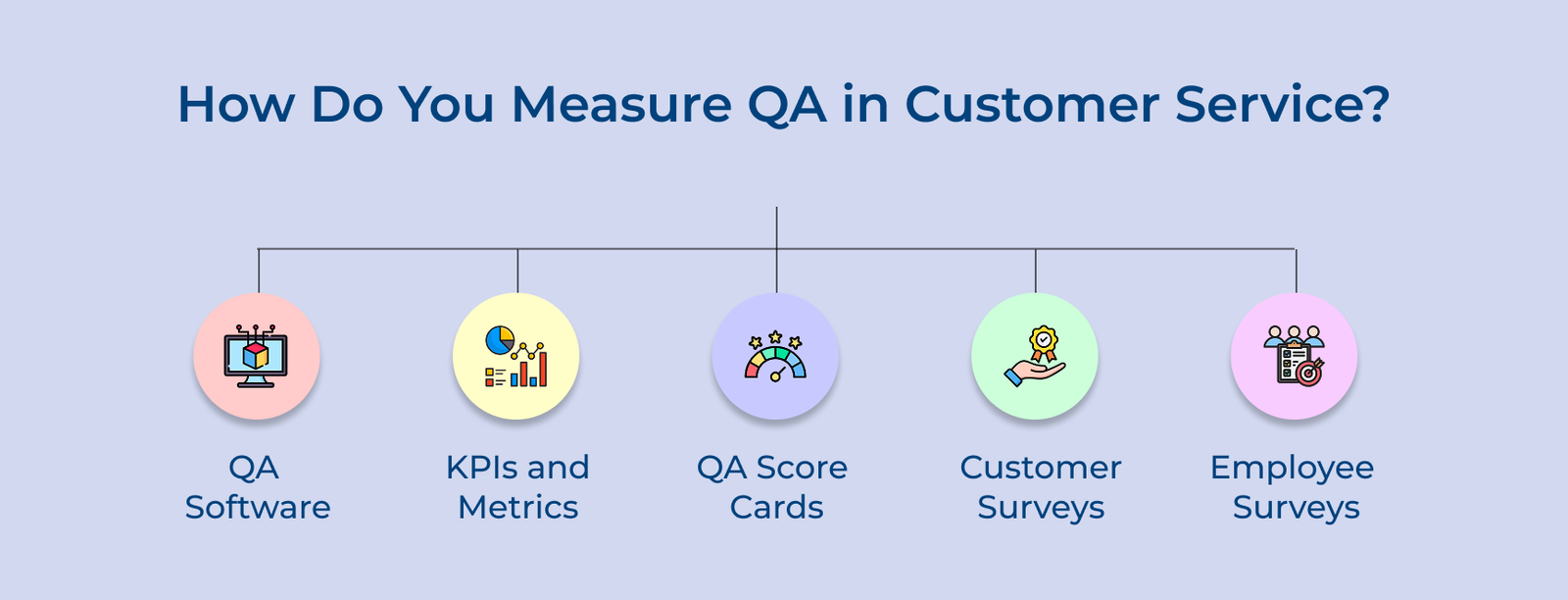
Modern QA software helps monitor and evaluate customer service interactions across channels. The tools track conversations, highlight recurring issues and generate reports that show how service quality is trending over time.
They also allow supervisors to step in during interactions when agents need support. The real-time coaching helps solve problems quickly and reinforces learning while the situation is still fresh.
Key performance indicators provide quantitative measures of service quality and help organizations track progress toward their goals. The metrics cover various aspects of customer service, from efficiency to effectiveness and customer satisfaction.
Essential KPIs:
Each metric needs regular monitoring to identify trends and areas for improvement. Your KPI dashboard should provide both a high-level overview and detailed breakdowns of performance at both the team and individual levels.
Quality assurance scorecards provide a structured way to evaluate customer interactions. They break down service quality into clear components such as problem-solving, tone, accuracy and compliance so evaluators can assess performance consistently.
These tools help standardize the evaluation process and ensure all important aspects of customer service are considered. Scorecards typically include sections for technical skills, soft skills, compliance and problem-solving abilities.
Customer surveys capture direct feedback from those who experience your service. They can validate internal QA findings and reveal where expectations differ from internal standards.
Common formats:
Post-interaction email surveys: Automatically sent after the service ends.
SMS surveys: Quick and mobile-friendly, often with higher response rates.
In-app forms: Integrated into web or mobile apps for seamless feedback.
Phone-based IVR surveys: Conducted immediately after a call.
Organizations use various survey types from simple satisfaction ratings to detailed feedback requests. The key is making surveys easy to complete while gathering meaningful data that can drive improvements.
Internal feedback from customer service representatives provides valuable insights into service quality challenges and opportunities. Agents often spot patterns in customer issues before they appear in metrics.
Regular employee surveys reveal training needs, process gaps and system issues that impact service quality. The feedback loop ensures your QA program considers both customer and employee perspectives in measuring service quality.
Check out the tips for crafting a scorecard that reflects your customer service goals, ensuring your team has the tools they need to shine in every customer interaction.
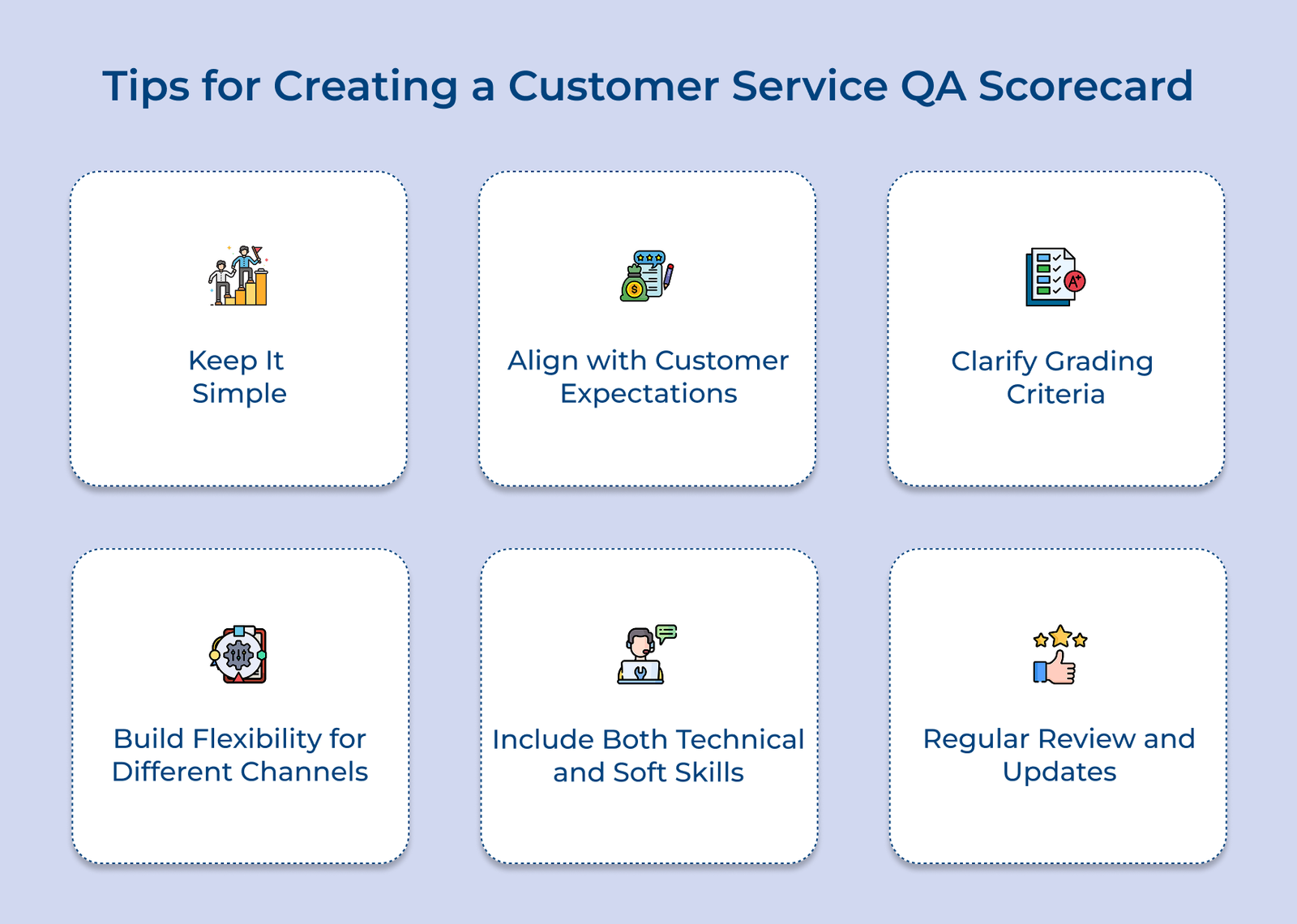
1. Keep It simple
Design your scorecard so it’s easy to use. Contact centers that use scorecards can cut repeat calls by 20%. Stick to the essentials and describe performance in plain language. Too many criteria only confuse evaluators and agents.
2. Align with Customer Expectations
Base your scoring on what matters most to your customers. Use feedback and common complaint patterns to highlight priorities like fast resolution, clear communication and respectful service.
3. Clarify Grading Criteria
Explain what each score level means. Provide real examples of excellent, average and poor interactions so evaluators apply the criteria consistently.
4. Adapt for Different Channels
Tailor your criteria to work across various communication channels. Phone interactions need different evaluation points than email or chat conversations. Your scorecard should adapt to each channel while keeping quality standards consistent.
5. Include Both Technical and Soft Skills
Evaluate both technical accuracy and people skills. Good service means solving problems while also building a positive customer experience.
6. Regular Review and Updates
Revisit your scorecard often. Collect feedback from evaluators, agents and customers, then adjust criteria to match evolving needs while keeping evaluations consistent.
The following are four leading platforms that offer comprehensive solutions for service quality management.
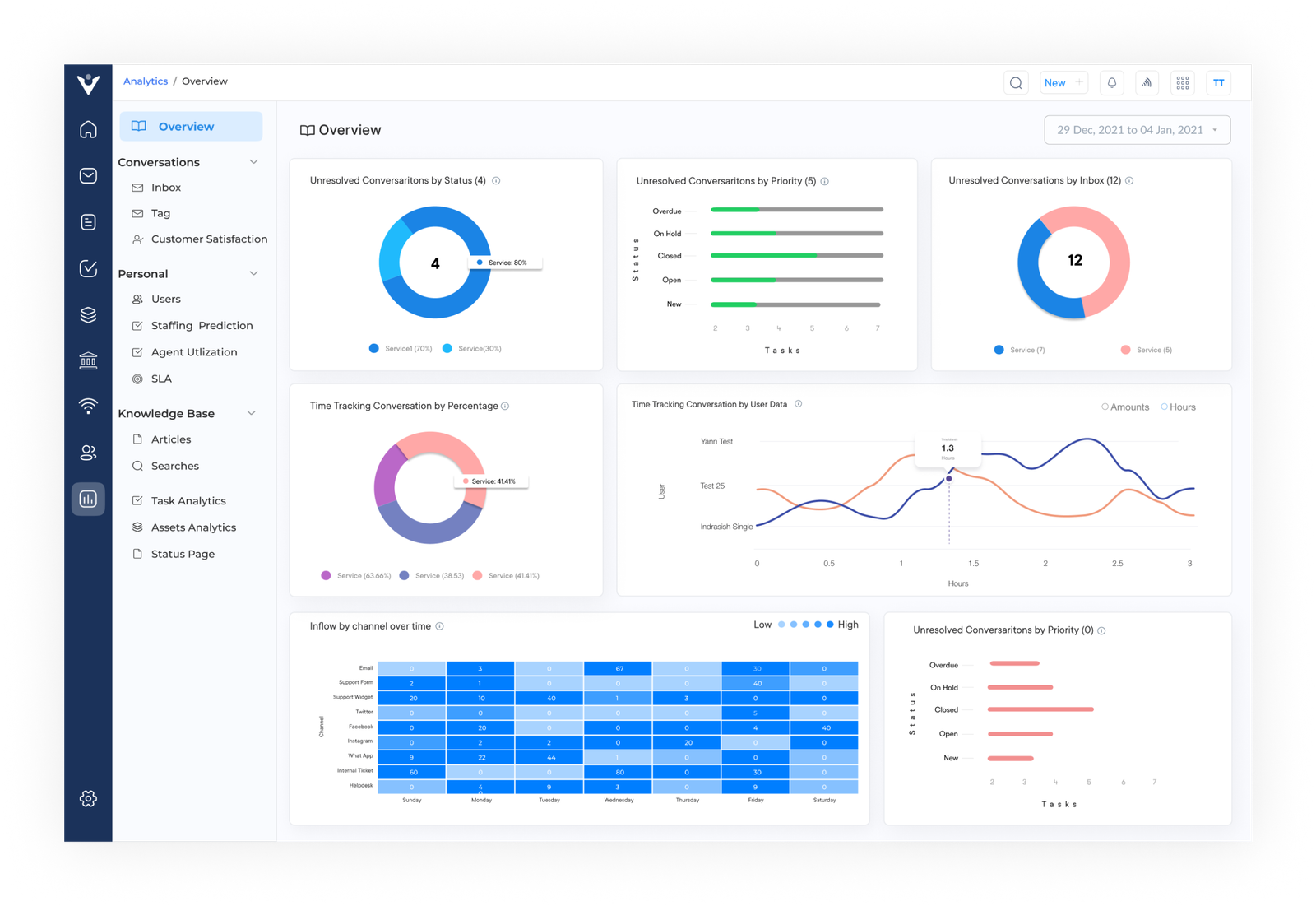
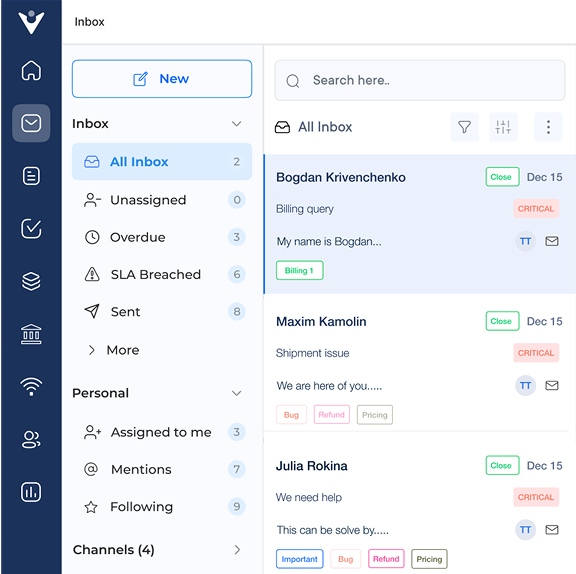
Veemo Support is a help desk platform that combines ticket management with built-in quality assurance tools. It gives support teams one place to handle customer inquiries while also tracking and improving service quality. Their focus on integration between help desk operations and quality management creates a seamless workflow for support teams.
What sets Veemo support apart is how it merges customer support and quality checks. Instead of running QA separately, managers can monitor and guide improvements right where the work happens. The setup helps teams stay focused and maintain steady service standards day to day.
Key features:
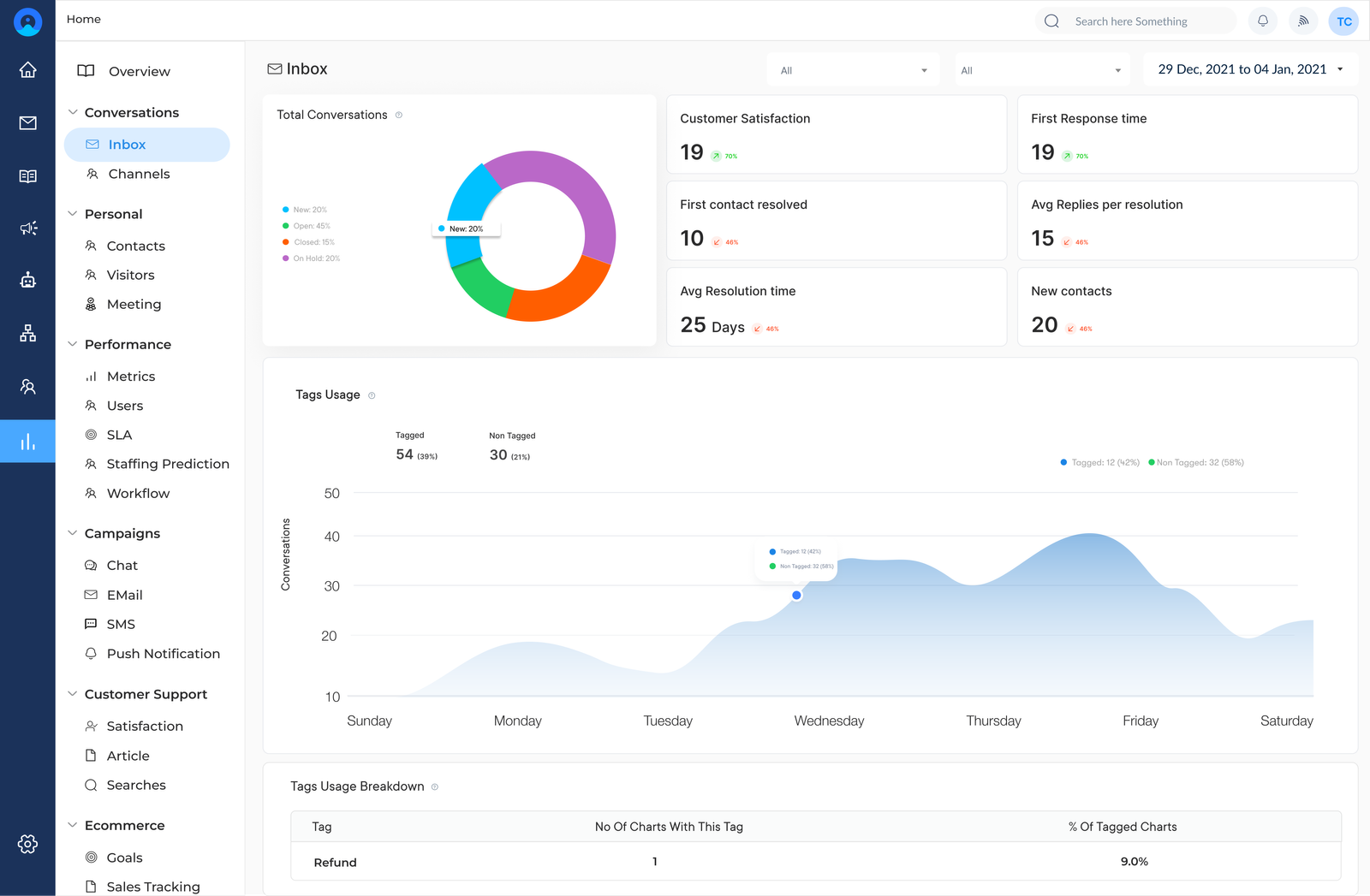
Omni24 is a customer experience platform that unifies live chat, AI chatbots, ticketing, social media engagement and quality monitoring. It helps organizations manage all customer interactions efficiently while maintaining tracking and improving service quality.
Key features:
Scorebuddy is a versatile quality monitoring solution built for contact centers and customer service teams. It evaluates both voice and digital interactions while keeping detailed quality records.
What sets Scorebuddy apart is its advanced calibration features and intuitive coaching tools. The software provides customizable evaluation forms, real-time monitoring and analytics to pinpoint training needs.
PlayVox is a comprehensive quality management platform that combines interaction monitoring, performance tracking and agent development. It helps organizations streamline QA processes and support continuous skill improvement.
The platform features gamification elements and an integrated learning management system. It provides robust monitoring tools, detailed analytics and automated coaching to help teams consistently improve customer service performance.
Below are the leading brands that have implemented QA programs to maintain exceptional service standards and drive business success.
Amazon
Amazon maintains service quality through a comprehensive QA program that monitors customer interactions across all channels. Their QA team uses detailed scorecards and provides real-time coaching to service reps. They focus particularly on measuring first-contact resolution and customer effort scores.
The dedication to service quality has helped Amazon maintain its position as a customer service leader. Their consistent QA approach builds customer trust and loyalty while cutting costs through greater efficiency.
Zappos
Zappos implements quality assurance through a unique approach that emphasizes agent empowerment and emotional connections. Their QA team assesses how well agents build personal customer relationships, not just traditional metrics. They encourage creative problem-solving and authentic conversations.
The customer-first QA strategy has transformed Zappos into a benchmark for exceptional service. Their approach builds loyal customers and supports high employee satisfaction with low turnover.
Ritz-Carlton
The Ritz-Carlton’s quality assurance process centers on its famous “Gold Standards.” Their QA team evaluates every customer touchpoint from greeting to follow-up. They emphasize consistency across all properties while maintaining personalized service delivery.
The meticulous approach to service quality has established the Ritz-Carlton as the epitome of luxury hospitality. Their rigorous QA lets them charge premium prices while keeping customer retention high.
Apple
Apple implements quality assurance through its “Net Promoter Score” focused program. Their QA specialists assess support interactions using advanced scoring systems. They emphasize technical accuracy while maintaining their signature friendly and accessible approach.
The balanced approach to quality assurance has helped Apple maintain its reputation for superior customer support. Their consistent service quality has contributed significantly to customer loyalty and repeated purchases across their product ecosystem.
Southwest Airlines
Southwest Airlines focuses on quality assurance through its “Proactive Customer Service” program. Their QA team tracks all customer interactions with a comprehensive evaluation framework. They particularly emphasize empathy and problem-solving skills in their assessments.
The commitment to service quality has helped Southwest maintain industry-leading customer satisfaction scores. Their consistent service standards have built strong customer loyalty while helping them maintain competitive advantages in a challenging industry.
Quality assurance in customer service goes beyond monitoring interactions; it creates a structured system that ensures consistent excellence. Effective QA programs identify improvement areas, guide training and turn feedback into actionable insights. It empowers agents and enhances a culture of reliable, high-quality customer experiences.
The ultimate goal of customer service QA is to build lasting relationships through reliable, high-quality support. Investing in QA builds a foundation for growth, turning satisfied customers into loyal advocates. The commitment to excellence through QA helps organizations stand out in increasingly competitive markets while building strong, resilient customer relationships.

Consider implementing QA software when your manual processes start becoming overwhelming and inconsistent. It typically happens when your team handles more than 1,000 customer interactions monthly or has more than 10 service agents. You’ll notice signs like delayed feedback delivery, inconsistent evaluations and difficulty tracking improvement trends. The right time often coincides with scaling challenges in maintaining service standards.
QA ensures consistent service by identifying patterns, spotting training opportunities and maintaining high standards across interactions. Think of it as a compass that guides improvements, validates training and guarantees every customer receives the same reliable experience.
Manual QA involves human evaluators reviewing individual interactions and providing detailed feedback based on established criteria. Imagine a skilled editor reviewing each conversation carefully, considering context and nuance. Automated QA uses AI to analyze large volumes of interactions, flag issues and spot patterns that human reviewers might miss.
Feedback acts as the bridge between evaluation and improvement in QA programs. It turns observations into actionable insights for agents to improve performance. Effective feedback is specific, timely and constructive, guiding agents from their current performance to desired improvement.
The frequency of QA reviews should align with your team’s size and interaction volume. Evaluating 2-4 interactions per agent weekly provides a good balance for most organizations. The regular cadence allows for consistent monitoring while giving agents enough time to implement feedback between reviews. Think of it as regular exercise, consistent, manageable sessions yield better results than sporadic intense reviews.
Grow Customer Relationships and stronger team collaboration with our range of products across the Conversational Engagement Suite.
Omnichannel Customer Support & Help Desk Software
AI Enabled Business Messaging and Chatbot Software
Sales Engagement & CRM Software
Call Center Software & Virtual Phone System
Product Marketing & Experience Platform
Customer Experience & Feedback Management Software

 What is Customer Advocacy: Types, Strategies and Benefits
Scroll to top
What is Customer Advocacy: Types, Strategies and Benefits
Scroll to top