1. Deliver Hyper Personalization
Hyper-personalization uses customer data and AI to create individualized experiences for each user. The approach increases engagement rates by 80% because customers receive relevant content that matches their specific needs and preferences.
Key areas:
- Product recommendations: Suggest items based on past purchases or browsing.
- Timing: Send messages when customers are most likely to engage.
- Content format: Deliver information through preferred channels like video or text.
- Support style: Adjust tone and approach to match customer preferences.
Begin by collecting data from every touchpoint. Focus on purchase history and engagement patterns first. Using customer relationship management systems combined with analytics platforms provides the foundation you need.
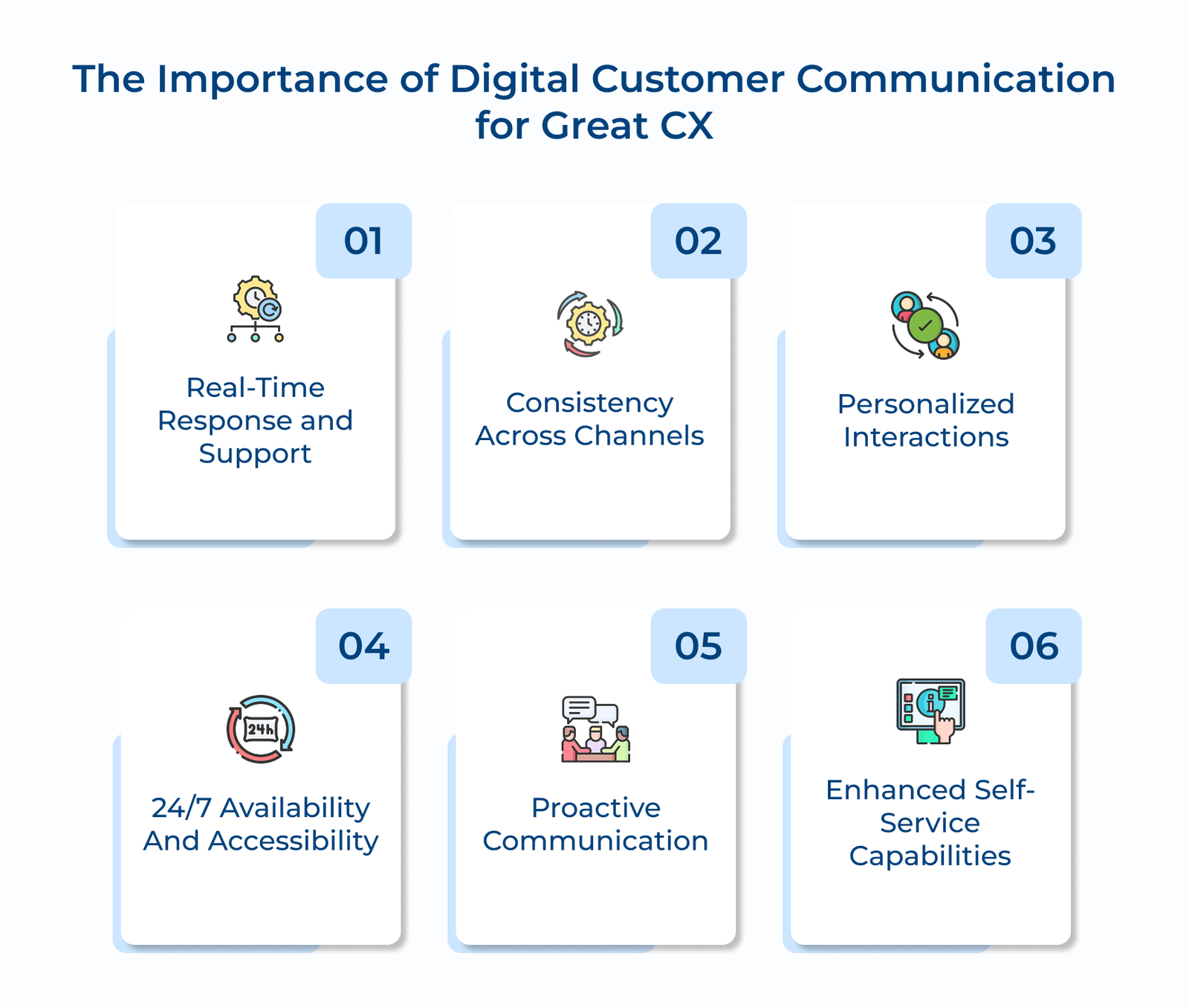
2. Implement an Omnichannel Approach
An omnichannel approach means giving customers the same quality of service no matter how they contact you. It prevents frustration by letting people switch between channels without repeating themselves.
Key methods:
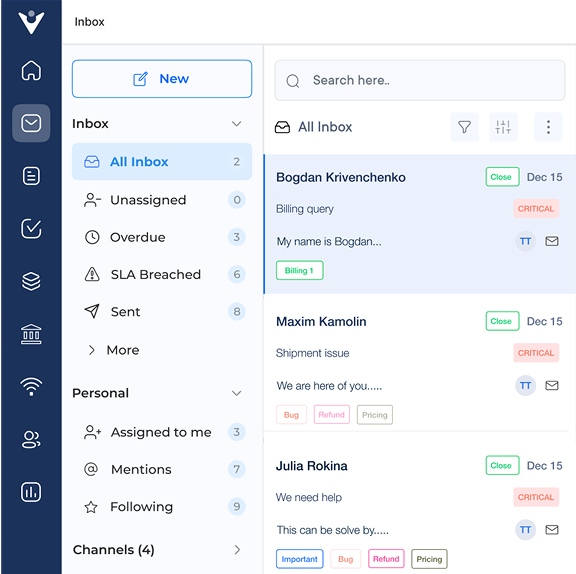
- Unified customer database: Keep all interactions and preferences in one system, updated in real-time.
- Cross-platform integration: Connect channels so that email, chat, social media and phone records share information seamlessly.
- Consistent voice: Train teams to use the same tone and guidelines across every channel.
3. Provide Self-Service Options
Many customers prefer solving problems on their own rather than waiting for support. A well-organized knowledge base, FAQ section and step-by-step guides can save them time while easing the workload on your support team.
Add searchable articles, screenshots and short videos so people can quickly understand solutions. Chatbots can handle simple queries and walk users through common tasks, while live chat is available when issues are more complex.
Pro tips:
- Review and update help content regularly based on the most common customer questions.
- Use visuals like images or video walkthroughs to make instructions easier to follow.
4. Education with Interactive and Engaging Content
Educational content not only helps customers use products with confidence but also reduces the number of support requests. When people understand how things work, they encounter fewer problems and make more informed choices.
Key types:
- Video tutorials: Step-by-step guides to demonstrate product use.
- Interactive demos: Clickable tours that let users try features on their own.
- Webinars and live sessions: Real-time events where customers can ask questions.
- Gamified learning modules: Short, engaging activities that make learning easier to remember.
Start by identifying your customers’ most common questions and pain points. Create content that addresses these issues proactively. Use analytics to track which formats perform best, then expand successful content types across your communication strategy.
5. Responsive and Mobile-Friendly Design
Responsive design ensures communication platforms work seamlessly across all devices and screen sizes. Without mobile optimization, you lose 70% of potential customers who abandon websites that don’t function properly on their smartphones or tablets.
Design communication interfaces using mobile-first principles with touch-friendly buttons and readable fonts. Test all customer touchpoints on multiple devices regularly. Optimize loading speeds and ensure chat windows resize appropriately for different screen orientations.
Actionable tips:
- Keep forms short and use auto-fill features to reduce typing on mobile devices
- Place important action buttons within thumb-reach zones for a better mobile user experience
6. Provide Real-Time Customer Support
Real-time support provides instant responses to customer inquiries through live chat and immediate callback systems. The immediacy increases customer satisfaction scores by 73% because modern consumers expect quick resolutions to their problems and questions.
Use cases:
- Chatbot first response: AI handles initial customer inquiries and routes complex issues to human agents
- Sentiment analysis: Flag frustrated customers and push their cases to the front of the line.
- Predictive support: AI identifies potential issues before customers experience problems and sends proactive solutions.
- Language translation: Real-time translation enables support across multiple languages without hiring multilingual staff.
- Smart routing: Direct requests to the right specialist immediately.
The biggest challenge involves balancing automation with human touch. Customers become frustrated when chatbots can’t resolve complex issues. Implement clear escalation pathways that seamlessly transfer conversations from AI to human agents with full context preservation.
7. Facilitate Two-Way Communication
Two-way communication encourages customer feedback and creates dialogue rather than one-sided messaging. Without the interaction, businesses miss valuable insights about customer needs and experience declining engagement rates as customers feel unheard.
Create multiple feedback channels, including surveys and social media monitoring. Respond to customer comments promptly and publicly when appropriate. Use feedback to improve products and communicate these improvements back to customers who suggested them.
Best practices:
- Ask specific questions in your communications to encourage detailed customer responses.
- Create dedicated feedback loops where customers can see how their suggestions influenced product changes.
8. Regularly Monitor and Analyze Customer Data
Regular monitoring involves tracking customer communication patterns and satisfaction metrics continuously. The analysis helps identify trends and improvement opportunities that directly impact customer experience.
Key questions:
- Which channels deliver the highest satisfaction?
- What are the most common customer pain points across all touchpoints?
- How long does it take to resolve different types of customer inquiries?
- Which self-service tools get the most use?
- What percentage of customers use multiple channels before resolving their issues?
The questions reveal communication strengths and weaknesses while highlighting areas needing immediate attention for improved customer experience. Beyond basic questions, use heat maps to track customer behavior. Run customer journey audits and set up feedback loops with support teams. Use predictive analytics to anticipate future communication needs and resource requirements.
What Are the Most Common Digital Communication Channels?
Below are some of the most common digital communication channels that have gained popularity in recent years:
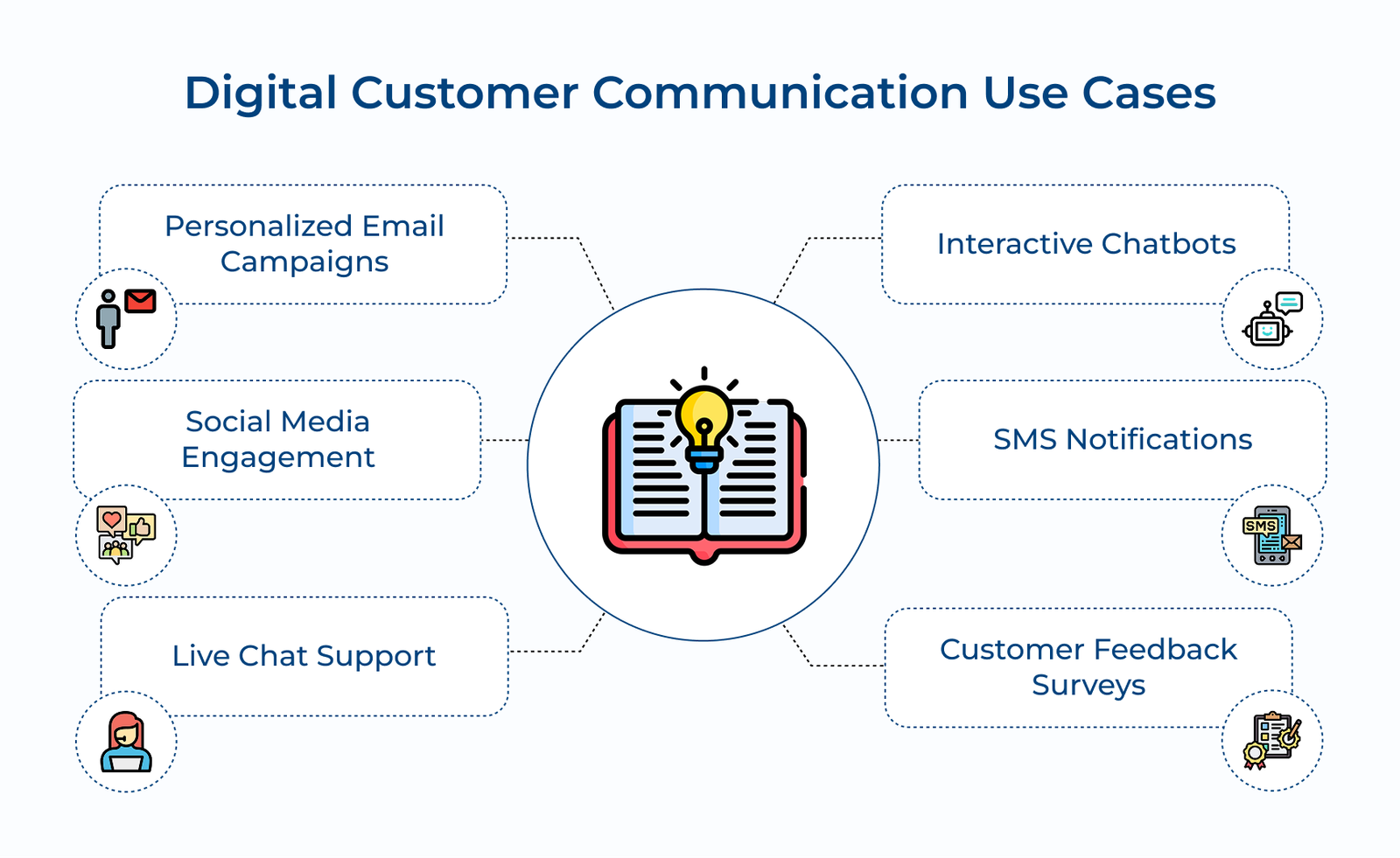
1. Email
Email remains one of the most common digital communication tools. It allows people to send messages, documents and files quickly to one or many recipients. Its formal tone makes it especially useful for professional communication like proposals, resumes or official updates.
2. Social Media
Platforms such as Facebook, Instagram, Twitter and LinkedIn have reshaped how people connect and share information. They allow individuals to engage in conversations to interact directly with their audiences, share updates and promote products or services.
3. Live Chat
Live chat lets website visitors connect instantly with support teams or sales representatives. The real-time interaction helps resolve questions quickly and improves the overall user experience. It usually appears as a pop-up window on websites.
4. Chatbots
Chatbots are AI-powered virtual assistants that can interact with users conversationally. They are programmed to respond to FAQs, provide information and even assist with basic tasks. Chatbots are commonly used by businesses to automate customer support, provide instant responses and collect user data for analysis.
5. Video Conferencing
Video conferencing tools like Zoom, Skype and Microsoft Teams make remote collaboration possible. They allow people to meet virtually, share screens and communicate face-to-face across distances, making them a practical alternative to in-person meetings.
Digital Customer Communication Trends
The following are future trends that are shaping the way businesses interact with their customers.