1. Focusing Only on New Customer Acquisition
Chasing new customers is easy, but if you forget about the ones you already have, you’re leaving value on the table. Returning customers are more likely to buy again and cost less to keep.
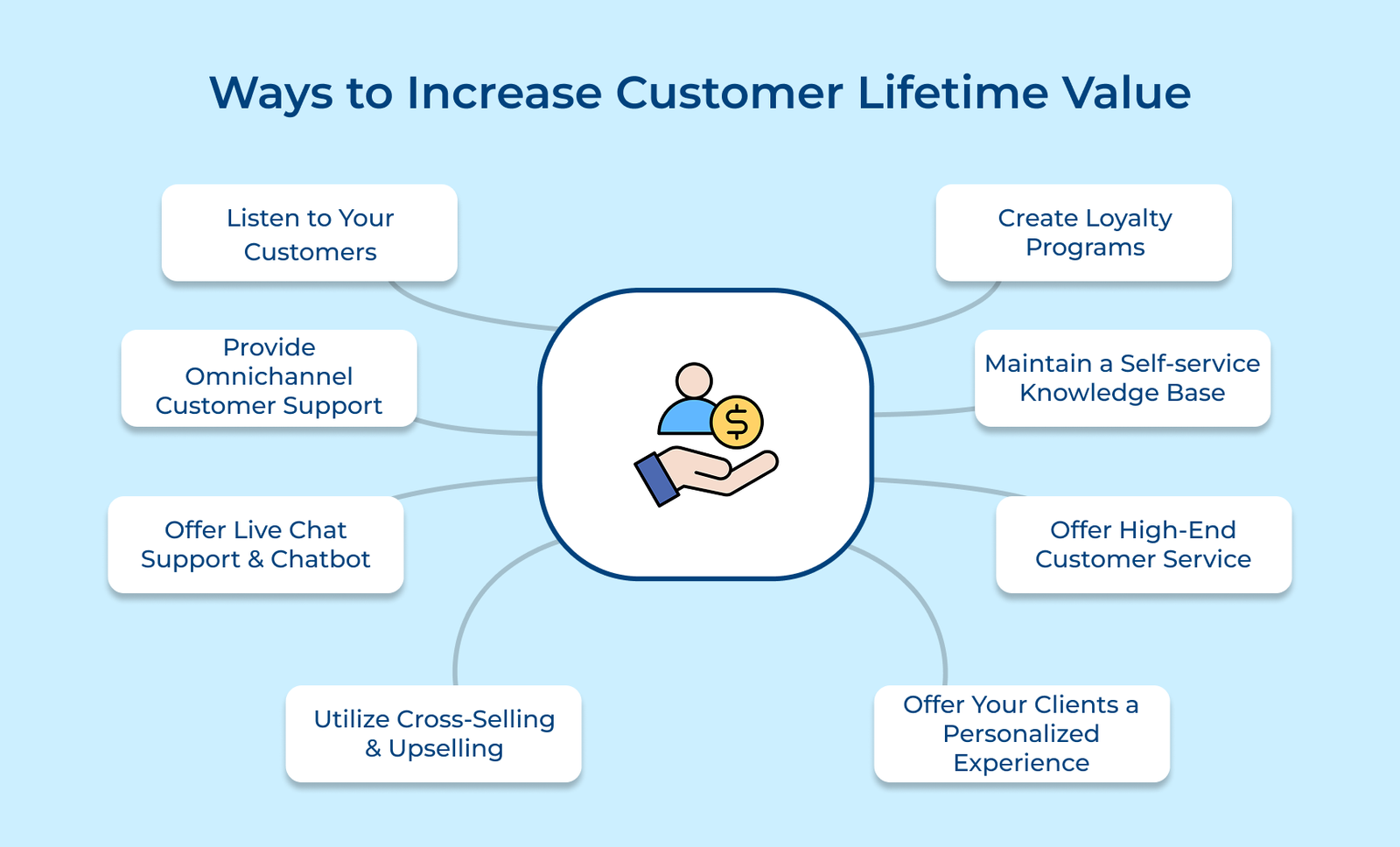
Shift some attention to the people who already know and like your business. Give them reasons to stick around, be it the better support, small perks or more thoughtful communication. Listen to what they need and adjust how you serve them.
2. Ignoring Customer Feedback
Collecting feedback is useless if you don’t use it. Too many businesses ask for opinions but don’t make changes or even respond.
Make feedback part of your decision-making. Set up a process to review what customers are saying, especially when they’re unhappy. Share the insight with your team and use it to fix problems before they grow.
3. Over-Automating Customer Interactions
Many businesses rely too heavily on automation and lose the human touch in customer service. While automation can improve efficiency, it shouldn’t come at the cost of meaningful customer relationships.
Keep the personal side of your service alive. Use automation where it helps, like but make sure people can talk to a real human when they need to. When they do, make it count—kindness and patience go a long way.
4. Inconsistent Customer Experience Across Channels
Businesses often deliver different experiences across various touchpoints. The inconsistency confuses customers and makes them feel disconnected from your brand, which reduces their long-term engagement.
Create a unified customer experience strategy across all channels. Ensure your team maintains consistent messaging service standards and brand voice, no matter if the customers interact through social media, email or in person, helping you build trust.
5. Not Segmenting Customers Effectively
Not all customers want or need the same thing. Treating everyone the same usually means you’re not serving anyone particularly well.
Take time to understand the differences like who buys often, who might need more support or who’s just browsing. Then, tailor how you interact with them based on what they actually need.
Increase Customer Lifetime Value Examples
Below are the compelling examples of how well-known brands have successfully implemented strategies to increase CLV.
1. Amazon Prime
Amazon keeps customers coming back with Prime, a membership that bundles fast shipping, streaming, exclusive deals and more. They’re constantly adding perks, giving people more reasons to stick around.
Prime has made Amazon more than just a shopping site. It’s become part of people’s routines. Members spend more and stay longer because the value keeps growing with every new feature.
2. Starbucks Rewards
Starbucks uses its app to learn what customers like and make their visits easier. The reward program offers points for every purchase, which add up to free drinks and other perks.
People go to Starbucks more often because it’s easy to order ahead and earn rewards. Regulars keep coming back not just for the coffee, but because the app makes it simple and worthwhile.
3. Netflix
Netflix holds on to subscribers by making it easy to find something to watch. They track what you like, suggest similar shows and invest in original content to keep things fresh.
Even with plenty of streaming options out there, people stick with Netflix because it knows their taste and delivers shows they’ll actually watch. The personalized experience keeps them from canceling.
4. Apple
Apple makes sure all its products work smoothly together. Buy one and the next one just fits right in your data, your apps, your setup. They also offer services like iCloud and Apple Music to make switching even harder.
Once people are in the Apple world, they tend to stay. Upgrading feels natural because everything already works together, and learning something new isn’t necessary.
5. Planet Fitness
Planet Fitness builds loyalty by keeping things simple and welcoming. Their low-cost memberships, clean spaces and judgment-free vibe make the gym feel less intimidating, especially for beginners.
People stay members even if they don’t go every week. The price is manageable and they know they can return anytime without pressure or hassle.
The Key to Sustainable Success: Customer Lifetime Value
Customer lifetime value isn’t just a number, it’s a shift in how businesses think about their customers. Instead of chasing quick wins, it’s about building relationships that last. When companies focus on the long game, they create stronger connections, deliver better experiences and earn more trust.
Understanding CLV helps businesses make smarter choices about where to spend their time and money, whether that’s bringing in new customers or keeping the ones they already have. The most successful companies are the ones that treat customers like long-term partners.