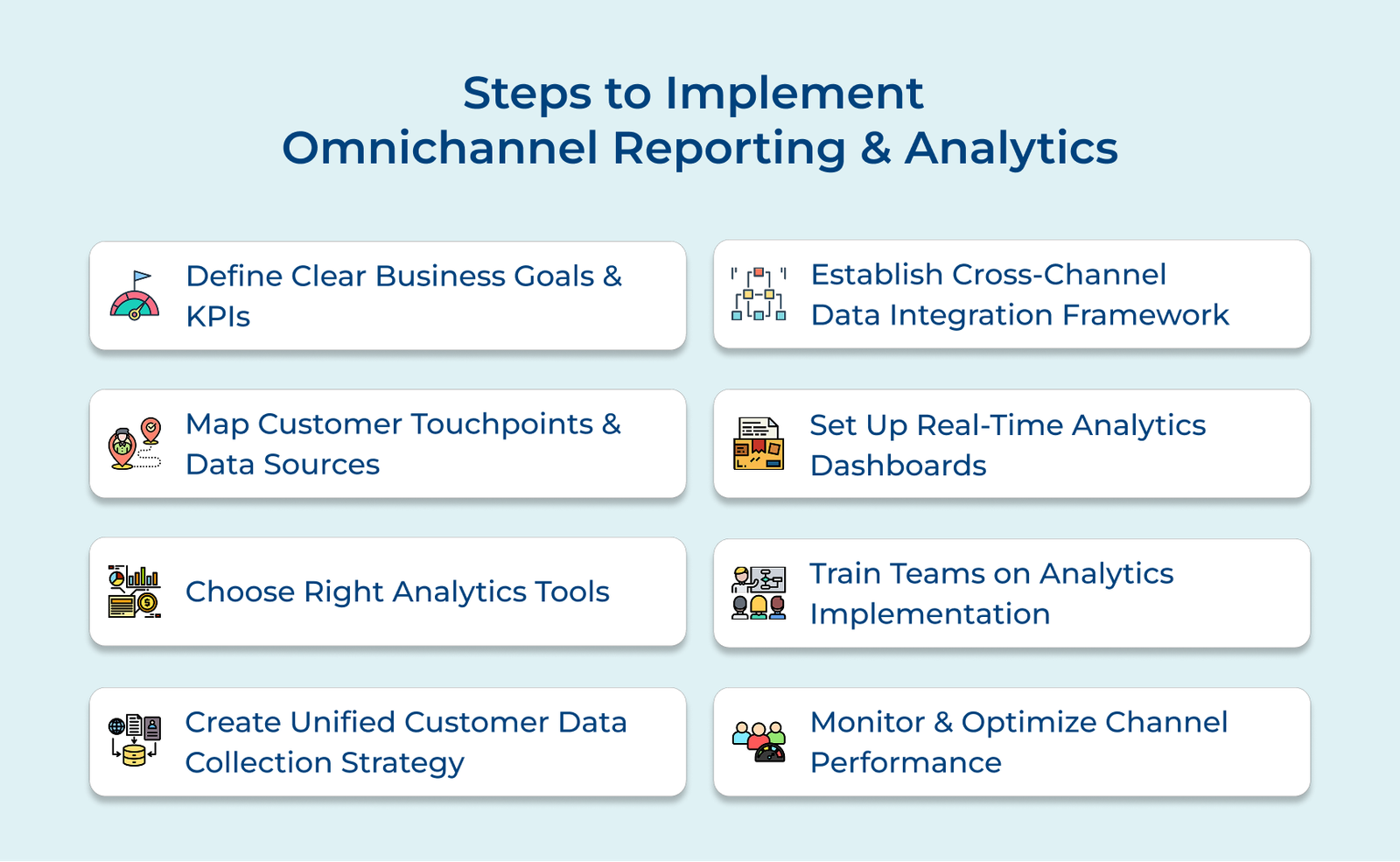
1. Define Clear Business Goals
Setting clear business goals is essential for successful omnichannel analytics. It aligns your strategy with key business outcomes and ensures you track metrics that really matter, helping you measure success or justify your investments.
Begin by defining measurable targets that mirror your business priorities, whether it’s customer acquisition costs or user engagement with your SaaS platform. Break down broad objectives into specific, actionable metrics and set clear timelines for achieving them. Look beyond simple channels to capture the full customer journey, then use past data and industry standards to set realistic yet ambitious benchmarks that drive growth.
Pro tips:
- Hold quarterly sessions with stakeholders from different departments to ensure everyone is aligned.
- Start with a focused set of critical metrics and expand your tracking as you master the basics to identify new opportunities.
2. Map Customer Touchpoints and Data Sources
Mapping customer touchpoints gives you a clear picture of how people interact with your SaaS platform. It’s a vital step for spotting gaps in your data and finding areas where the experience could be smoother or more meaningful. Done well, the process ensures you’re not missing out on valuable insights that could drive better decisions.
Start by charting out every interaction a customer might have: visits to your website, product sign-ups, email engagement, customer support conversations and feature usage. Then, highlight the moments where you can collect the richest insights into user behavior and preferences.
Visualizing the interactions through journey maps helps you see the bigger picture: how customers flow through your platform, where they get stuck and what’s driving engagement. It also helps you prioritize which data points matter most and where personalization can have the biggest impact.
Actionable tips:
- Sit in with your customer support team regularly to uncover overlooked interactions and better understand real-world usage.
- Use feedback surveys not just to ask for opinions but to validate your maps and surface touchpoints you might have missed.
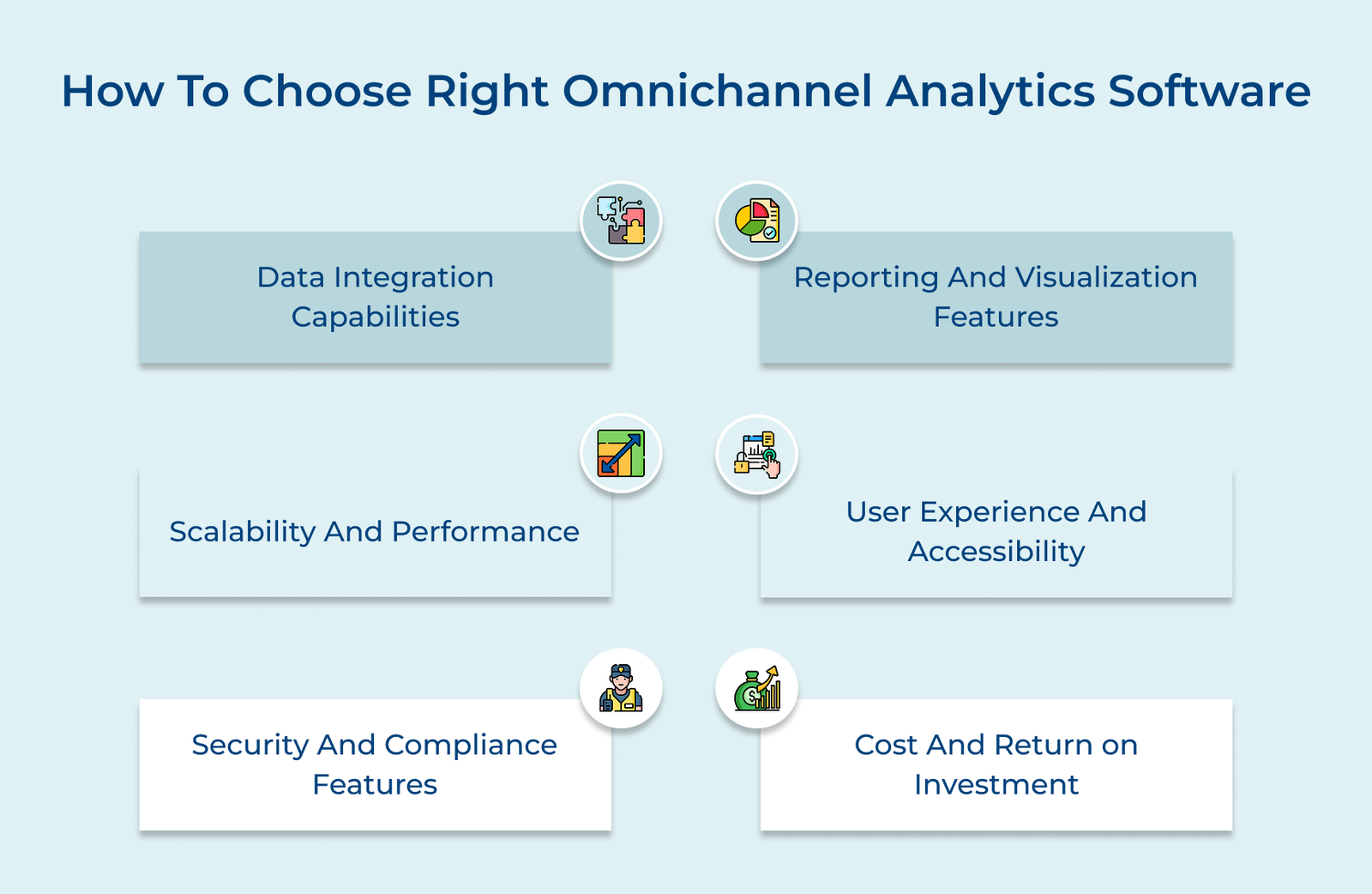
3. Choose the Right Omnichannel Analytics Tools and Platforms
Choosing the right analytics tools is a make-or-break decision for getting omnichannel right. The tools you pick will shape how well you can track, understand and act on customer behavior across every touchpoint. They should work with what you already have, not fight against it and they need to be able to keep up as your business grows.
Start by looking at platforms that fit your day-to-day needs and your budget. Prioritize tools that let you collect data from multiple sources, analyze it in real-time and make the findings easy to understand.
Don’t overlook the basics like data privacy, compliance and if the platform plays well with your existing tech stack. Future scalability is equally important when selecting analytics tools. Your chosen platform should handle increasing data volumes as your business grows.
Best practices:
- Try before you buy. Run small pilots with a few tools using real data to see how they perform in your environment.
- Get input from the people who will use the tools, like analysts, marketers or support teams. If it’s clunky for them. It’s not the right fit.
4. Create a Unified Data Collection Strategy
A clear, consistent approach to data collection is the backbone of any effective omnichannel strategy. When every team and channel captures customer data in the same way, you avoid messy silos or unreliable insights. It’s the difference between making confident decisions and second-guessing your numbers.
Start by locking down your standards: what data you need, how it’s formatted and when it should be collected. Use consistent naming conventions and organize your data with a clear structure everyone can follow. It keeps things clean and comparable across systems. It’s also important to keep your data accurate over time.
Set up automated checks to catch things like missing fields or formatting issues early. Then, run regular reviews to spot patterns, fix gaps and fine-tune your process. Clean data doesn’t happen by accident, it takes maintenance.
Key takeaways:
- Hold monthly check-ins with team reps to review data quality and flag any issues before they spread.
- Build a living data dictionary that spells out exactly what every field and metric means so everyone’s on the same page.
5. Establish Cross-Channel Data Integration
Cross-channel data integration is what turns scattered touchpoints into a clear, connected view of your customer’s journey. Without it, you’re left guessing how a user moves from one interaction to the next and that’s a recipe for blind spots. Let’s assume that when implementing omnichannel analytics, a SaaS company might integrate data from their mobile app, website and customer support system.
Creating a central data hub takes some legwork. You’ll need to plan for how and where data is stored, who can access it as well as how much traffic your systems can handle. But once it’s up and running, it becomes your single source of truth as there’s no more conflicting reports or hunting for information across departments.
Pro tips:
- Form a data governance team to keep everything aligned and clean as your systems evolve.
- Set up automatic alerts for sync failures or unusual data patterns so you can fix problems before they affect reporting.
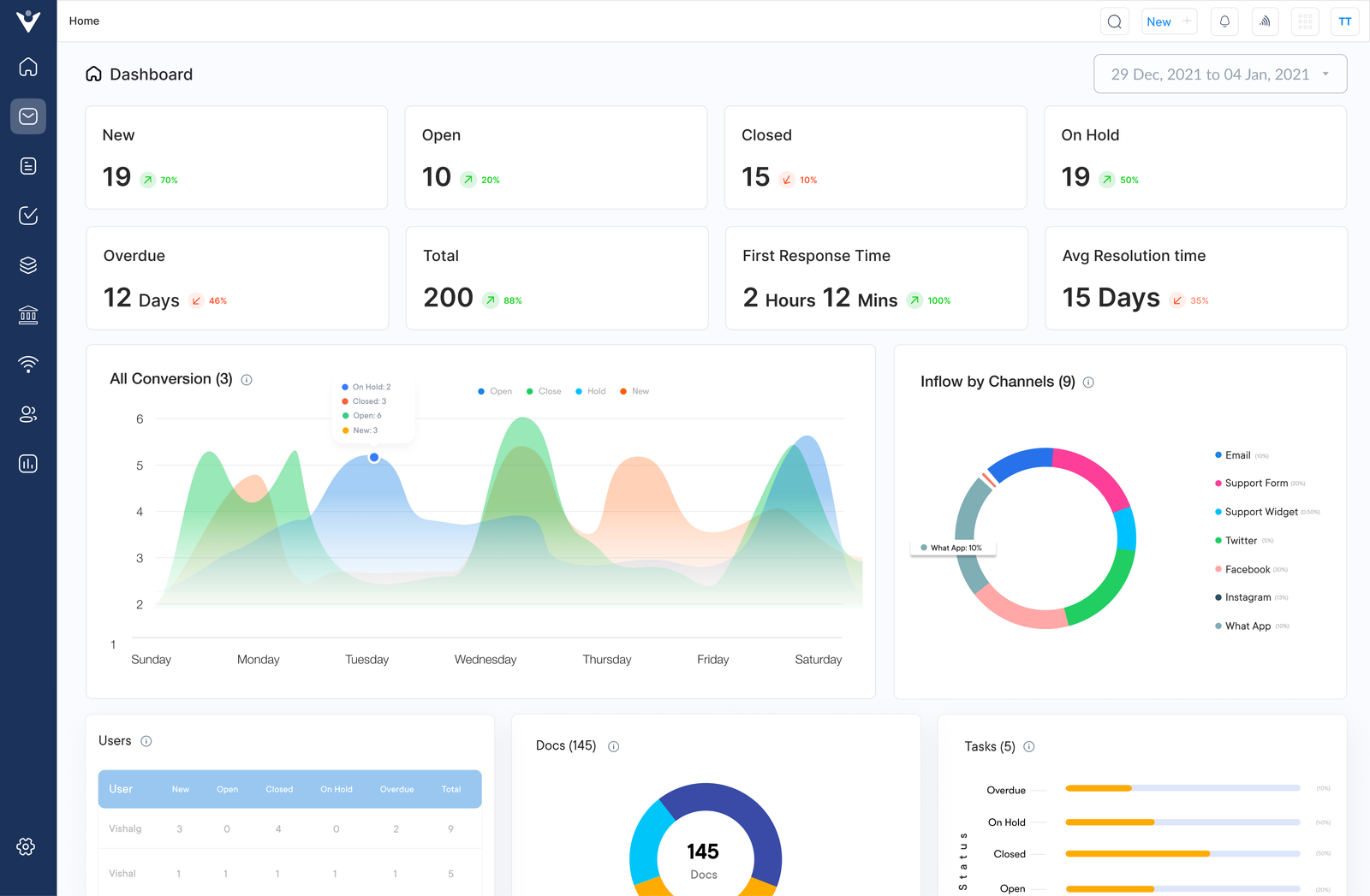
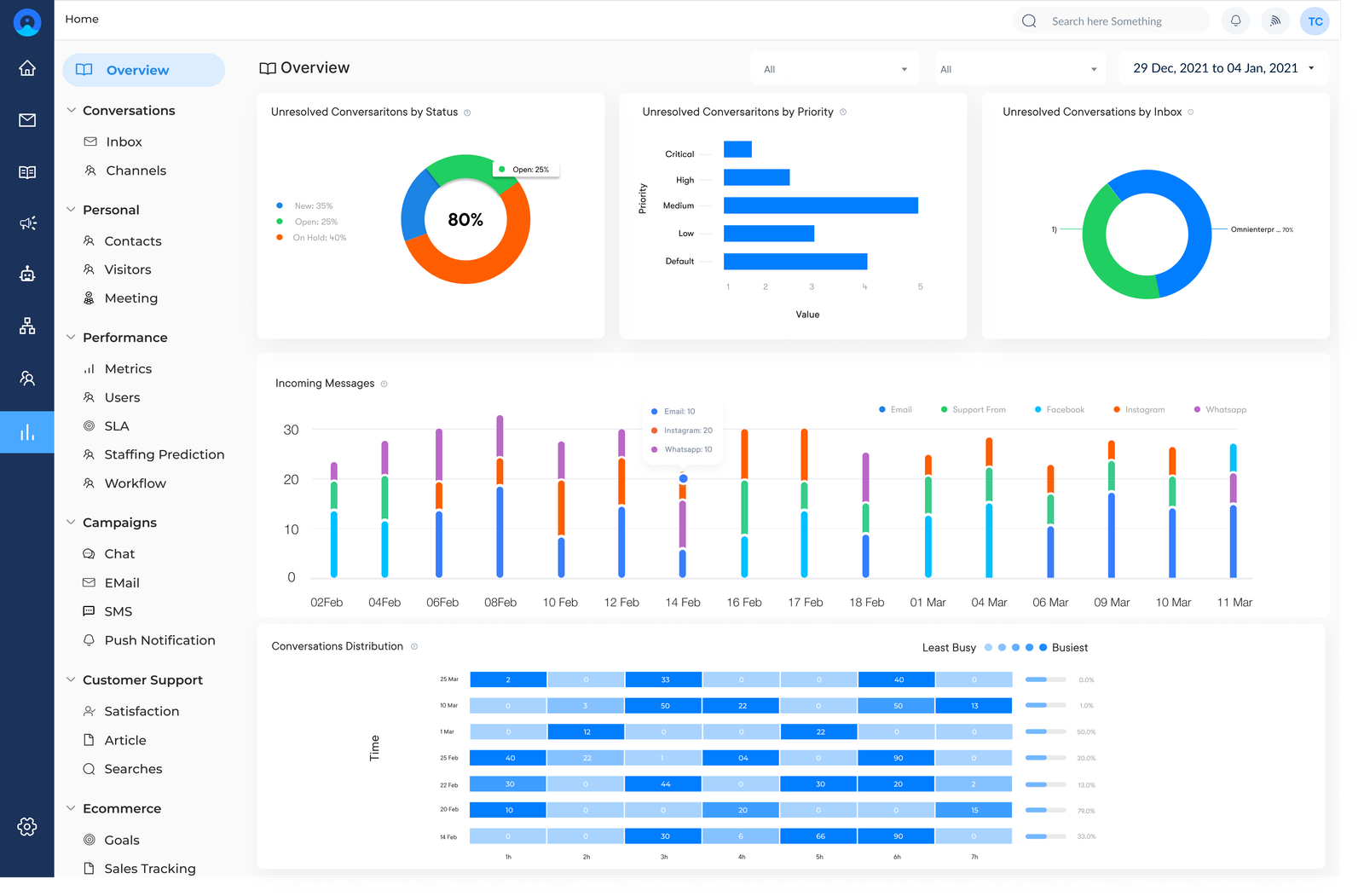
6. Set Up Real-Time Analytics Dashboards
Real-time analytics dashboards give you a clear window into what your customers are doing and when. Think of them as your operations center: constantly updating, always watching and ready to show you when something needs attention. Different teams will care about different things.
Marketing might be watching how a campaign is performing across channels, while the customer success team wants to know if engagement is dropping after a new feature release. Tailoring dashboards to each team’s priorities ensures everyone gets the insights they need without digging through irrelevant data.
Automating reports helps keep things consistent and saves time. Instead of chasing down numbers every week, teams get regular updates delivered straight to their inbox. Visual tools like graphs, heat maps and trend lines make it easier to spot when something’s off or when something’s working better than expected.
Actionable tips:
- Change dashboard layouts every few months to keep fresh eyes on key data.
- Hold short weekly meetings where teams share quick takeaways from what they’re seeing in the data.
7. Train Teams on Omnichannel Analytics Implementation
Training your team is one of the most overlooked but essential parts of getting real value from omnichannel analytics. It doesn’t matter how powerful your tools are if the people using them don’t feel confident or clear on how to apply them in their day-to-day work. Proper training ensures everyone understands how to collect, analyze and act on customer data across channels. Start with hands-on sessions tailored to each team. A one-size-fits-all approach won’t cut it.
Don’t just stop at training sessions. Build a library of clear, easy-to-follow documentation. Include practical how-tos, screenshots, troubleshooting guides and examples of real successes. Then create a system of ongoing support like mentors, Slack channels and regular check-ins so people can ask questions as they grow more comfortable with the tools.
Key takeaways:
- Appoint an “analytics go-to” person on each team for quick help and peer guidance.
- Host short monthly sessions where teams share real wins, what they learned from the data and how it helped them make a better decision or avoid a problem.
Use Cases of Omnichannel Analytics In Different Industries
Check out the diverse ways omnichannel analytics is being used across industries to improve customer experiences and make smarter, data-driven decisions at every touchpoint.