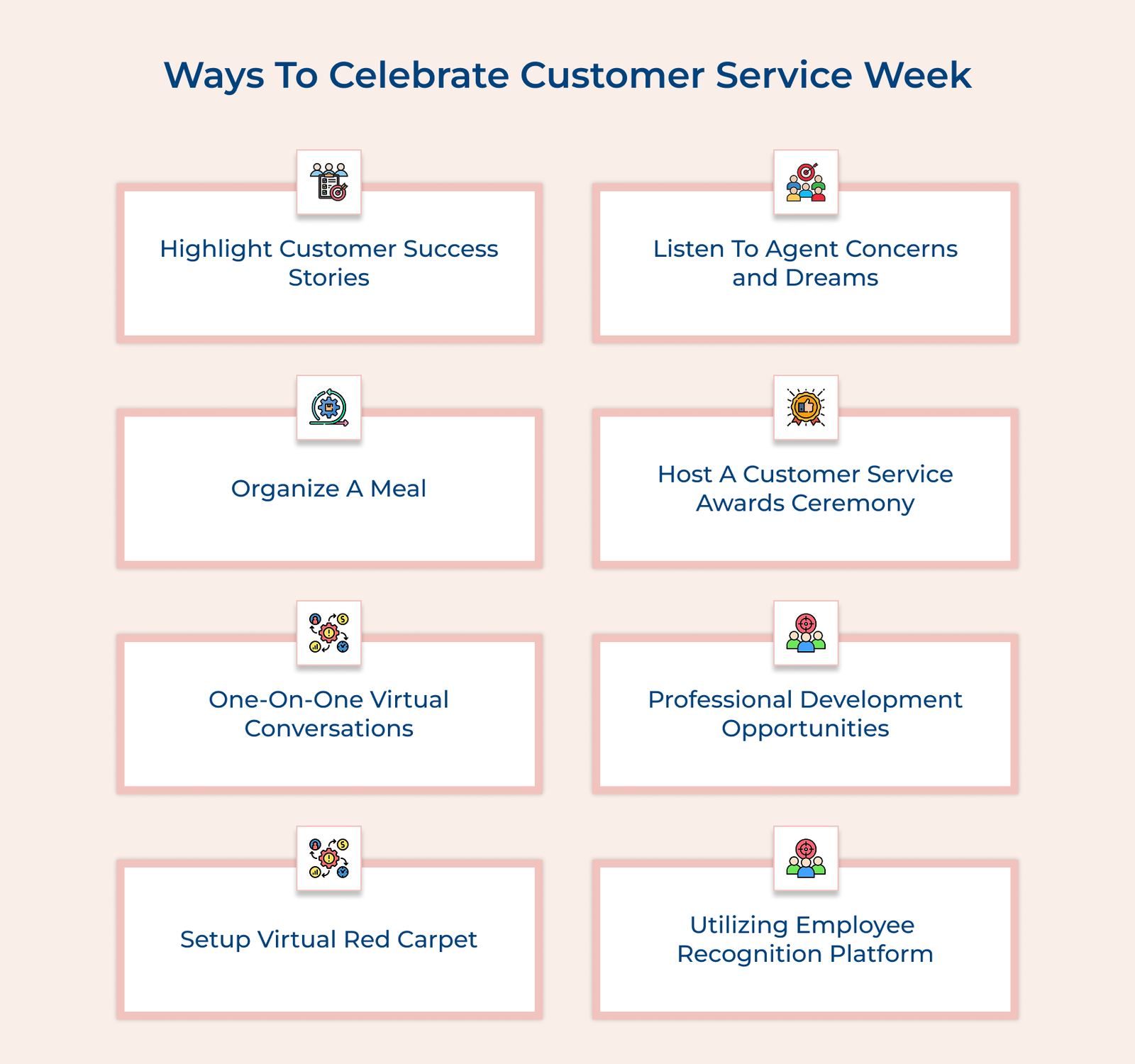
1. Highlight Customer Success Stories
Customer success stories are powerful testimonials that highlight the impact of service team’s efforts. Organizations not only boost team morale but also showcase the real-world value their customer service professionals bring by sharing their stories. The stories reinforce the importance of exceptional service in nurturing lasting customer relationships, making team achievements visible and celebrated.
Let’s assume that a telecommunications company created a “Wall of Fame” featuring customer appreciation messages alongside photos of the agents who made a difference. One such story highlighted Sarah, who helped an elderly customer restore their internet during a medical emergency, allowing them to access vital telehealth services.
Actionable tips:
- Create a template for collecting success stories that include the challenge, solution and customer impact to ensure consistent storytelling.
- Engage customers by inviting them to share short video testimonials or write personal notes highlighting their positive experiences during the celebration.
2. Listen to Agent Concerns and Dreams
Customer service agents often have valuable insights on improving service delivery and providing them with dedicated spaces to voice their challenges shows the organization’s commitment to their growth. Businesses can boost engagement or even the job satisfaction by listening actively and creating a culture where employees feel valued.
During customer service week, many companies host focused listening sessions where agents openly share feedback, suggestions and goals. Leaders facilitate the conversations in a safe, supportive environment, taking note of key insights and committing to actionable follow-ups. Let’s consider that a retail company organized “Dream Board Sessions,” where agents visualized their career goals and team leaders worked closely with them to enroll several in leadership development programs.
Pro tips:
- Offer multiple small-group sessions at different times to accommodate various shifts and maximize participation.
- Implement a tracking system to monitor agent feedback and provide regular updates on actions taken to address their concerns.
3. Organize a Meal
Shared meals offer a unique opportunity for team bonding and informal communication, especially in high-stress environments like customer service. The moments help agents relax, connect with colleagues they may not interact with regularly and build stronger team cohesion.
During customer care week, companies often organize special meals to accommodate various shifts and dietary preferences. It ranges from catered lunches to virtual cooking sessions for remote teams. Let’s assume that a software company hosted a “Global Taste Adventure,” where teams from different locations shared their local cuisines. Remote employees received meal delivery vouchers, while office staff enjoyed an international buffet, creating a fun and inclusive experience for all.
Best practices:
- Survey team members beforehand to gather dietary preferences and ensure inclusive meal options.
- Design themed seating arrangements that blend different teams, enhancing new connections and encouraging cross-functional interactions.
4. Host a Customer Service Awards Ceremony
Formal awards recognize exceptional performance, enhance healthy competition and set clear excellence standards. They create tangible goals and reinforce a culture of motivation. Organizations design award categories aligned with service values, with nominations from peers, leaders and customers. The ceremony becomes a key highlight of customer service week, featuring formal presentations and prizes.
An e-commerce company introduced the “Service Superstars Awards,” with categories like “Most Innovative Solution,” “Highest Customer Satisfaction,” and “Team Player of the Year”. The winners received trophies, gift cards and extra paid time off.
How to implement:
- Set clear, measurable criteria for each award and ensure a transparent nomination process.
- Offer a mix of individual and team awards to celebrate personal achievements as well as collective success.
5. One-on-one Virtual Conversations
Personal attention from leadership shows team members they are individually valued. The one-on-one conversations enhance a deeper understanding of challenges, aspirations and ideas. During customer care week, leaders schedule brief, focused virtual meetings with each team member. The semi-structured chats balance professional discussions with personal connections, ending with clear action items for follow-up.
Let’s consider that a healthcare provider’s CEO held 15-minute virtual coffee chats with agents, discussing their experiences and ideas. Each session concluded with a commitment to address one key suggestion.
Pro tips:
- Prepare a conversation guide with key topics to cover while maintaining flexibility for organic discussion.
- Schedule the conversations in advance, allowing ample buffer time between meetings for a smooth flow.
6. Professional Development Opportunities
Investing in professional development shows a commitment to employees’ long-term growth, addressing concerns about career stagnation. It leads to higher retention and job satisfaction.
During customer service week, organizations introduce new training, mentorship programs and certification opportunities, reinforcing their dedication to employee advancement.
Actionable Tips:
- Develop a skills assessment tool to help agents pinpoint growth areas and connect them with targeted learning opportunities.
- Link training programs directly to clear career advancement paths within the organization.
7. Setup Virtual Red Carpet
A virtual red carpet event brings excitement and glamour to client service week, especially for remote teams. Organizations create a digital red carpet experience, featuring virtual backgrounds, dress codes and special effects. Team members are individually highlighted, with their achievements showcased in a lively, celebratory atmosphere.
Let’s assume that a travel company hosted a Hollywood-themed event where each team member received their “moment of fame” with spotlight introductions, career highlights videos and virtual applause from global colleagues.
Pro tips:
- Offer technical support and practice sessions to ensure seamless participation for everyone.
- Enhance the experience with themed virtual backgrounds and digital props to keep the energy high.
8. Utilizing Employee Recognition Platforms
Digital recognition platforms offer a structured way to celebrate outstanding service during customer service week and beyond. They create a lasting record of achievements, enabling peer-to-peer recognition that enhances visibility and impact across the organization.
During client service week, companies use the platforms to gamify appreciation, offering badges, points or rewards to drive participation and engagement. Imagine there’s a tech company that runs an “Appreciation Cascade,” where each team member is encouraged to recognize at least three colleagues, creating a chain of recognition that reaches every service professional.
Best practices:
- Create recognition categories tied to client service week themes and company values.
- Offer training to ensure meaningful, impactful praise that goes beyond just token acknowledgments.
How do Companies Measure The Success of Their Customer Service Week Activities?
Following are the key ways companies measure the success of their customer service week activities, ensuring they effectively boost team morale and customer satisfaction.
Key questions we recommend to consider:
- Did the initiatives boost team morale and engagement?
- How did the celebrations influence customer service quality?
- What was the participation rate in various activities?
- Did these efforts help reduce turnover intentions?
- How did the recognition programs affect team collaboration?