After-sales Service Guide: Types, Examples & Tips
Uncover the different types of after-sales service and share real-world examples. Learn about the key strategies that will help you improve support, build trust and keep customers coming back.

Uncover the different types of after-sales service and share real-world examples. Learn about the key strategies that will help you improve support, build trust and keep customers coming back.
Most businesses focus heavily on winning the sale but neglect what happens after. Skipping after-sales service doesn’t just leave customers hanging, it leads to more complaints, higher support costs and fewer repeat purchases. Three in four consumers will spend more with a company if they have a great after-sales experience.
A smart after-sales strategy flips that script. When support is timely, useful and built around real customer needs, it creates loyalty, drives repeat business, sparks referrals and deepens product use. So let’s dive in to understand the structure of an effective post-sales service so it becomes a long-term growth driver, not an afterthought.
After-sales service refers to all the support and help a business provides once a customer makes a purchase. It plays a critical role in keeping customers satisfied, strengthening loyalty and building long-term value for both the customer as well as the business.
The process usually starts right after the sale, with companies checking in to ensure the product is set up properly and working as expected. Over time, businesses offer ongoing support, like maintenance, technical help, warranty services, repairs and updates. The support can come through phone calls, emails, live chats or in-person service centers, depending on what suits the customer best.
Key goals:
Let’s understand why after-sales service support is important and why businesses should prioritize it as part of their customer service strategy.
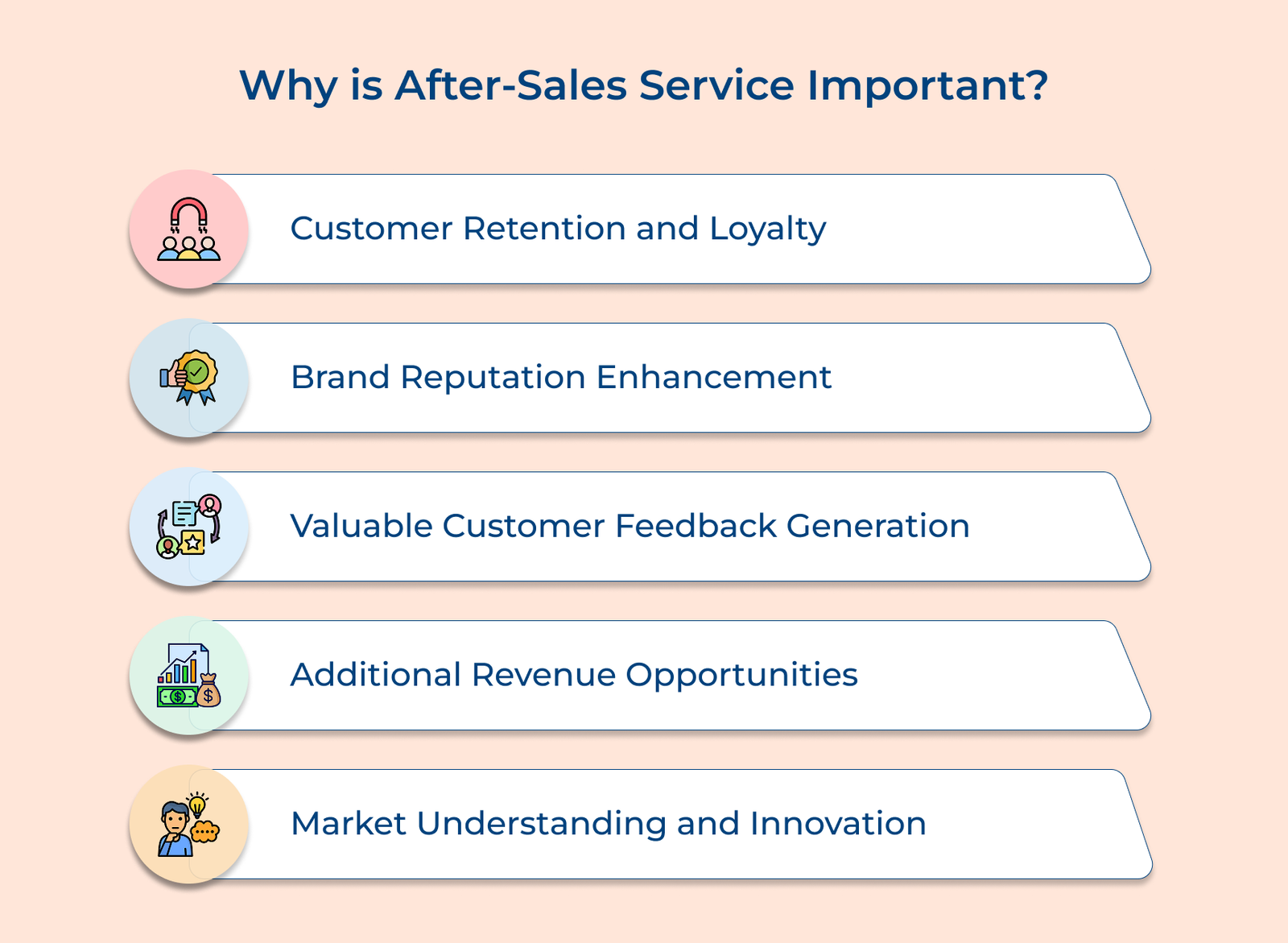
Customer Retention and Loyalty
Good after-sales support builds trust. When customers know they can count on your help after buying, they’re more likely to stick around and buy from you again. It’s about creating a lasting relationship, not just closing a sale.
Brand Reputation Enhancement
People talk about great service. When customers have positive after-sales experiences, they’re more likely to share them with others, online and offline. A positive service can push 72% of customers to share this with six or more people. The honest word-of-mouth can strengthen your reputation and set you apart from the competition.
Valuable Customer Feedback Generation
Ongoing support gives you a front-row seat to how your customers feel about your product. Their feedback, gathered through real interactions, can highlight what’s working and what needs to change, helping you adapt faster.
Additional Revenue Opportunities
After the sale, there’s still room to grow. If customers trust your support, they’re more open to add-ons like maintenance plans, product upgrades or extended warranties, leading to steady income.
Market Understanding and Innovation
Staying in touch with customers after the purchase helps you spot trends and shifting needs early. Your support team can surface real insights that guide smarter product updates and new ideas.
Below are the five essential elements that make up a comprehensive post-sales service approach that delights customers and drives business growth.

Your support team is the frontline of your business after a sale. They need solid product knowledge and strong communication skills to solve problems effectively. Good support isn’t just about knowing the product, it’s about understanding customers, too.
Ongoing training keeps the team sharp on both new products and better service methods. Regular check-ins and performance reviews help maintain high standards. Close collaboration with other departments ensures customers get smooth, accurate support every time.
Customers want support on their terms, be it by phone, email, chat or social media. Your service system should allow smooth communication across all the channels, so customers get consistent help no matter how they reach out.
Good systems track past interactions, giving support teams the full story so customers don’t have to repeat themselves. Each channel should offer the same quality of help while taking advantage of what each platform does best.
Instead of waiting for problems, stay ahead by offering regular maintenance and check-ins. Scheduled care helps catch small issues before they become big ones, keeping products working longer and customers happier.
Use automated reminders, warranty tracking and scheduled service visits to stay on top of support. Being proactive shows customers you’re committed to helping them succeed, not just selling them something.
Make it easy for customers to tell you how you’re doing and use that feedback to get better. Surveys, follow-up calls and data analytics can reveal where the service hits the mark or where it needs work.
Tie customer feedback directly into improving products and services. Show customers that their input isn’t just heard, but acted on, building deeper trust and loyalty over time.
Set clear goals for your support team, track performance carefully and adjust based on what you learn. Measure things like response time and issue resolution, but also pay attention to customer satisfaction.
Regular performance reviews and smart data use help you spot trends. It trains your team where needed and keeps raising the bar for service quality.
Below are the strategies for post-sales services that can dramatically boost customer lifetime value and transform occasional buyers into devoted fans.
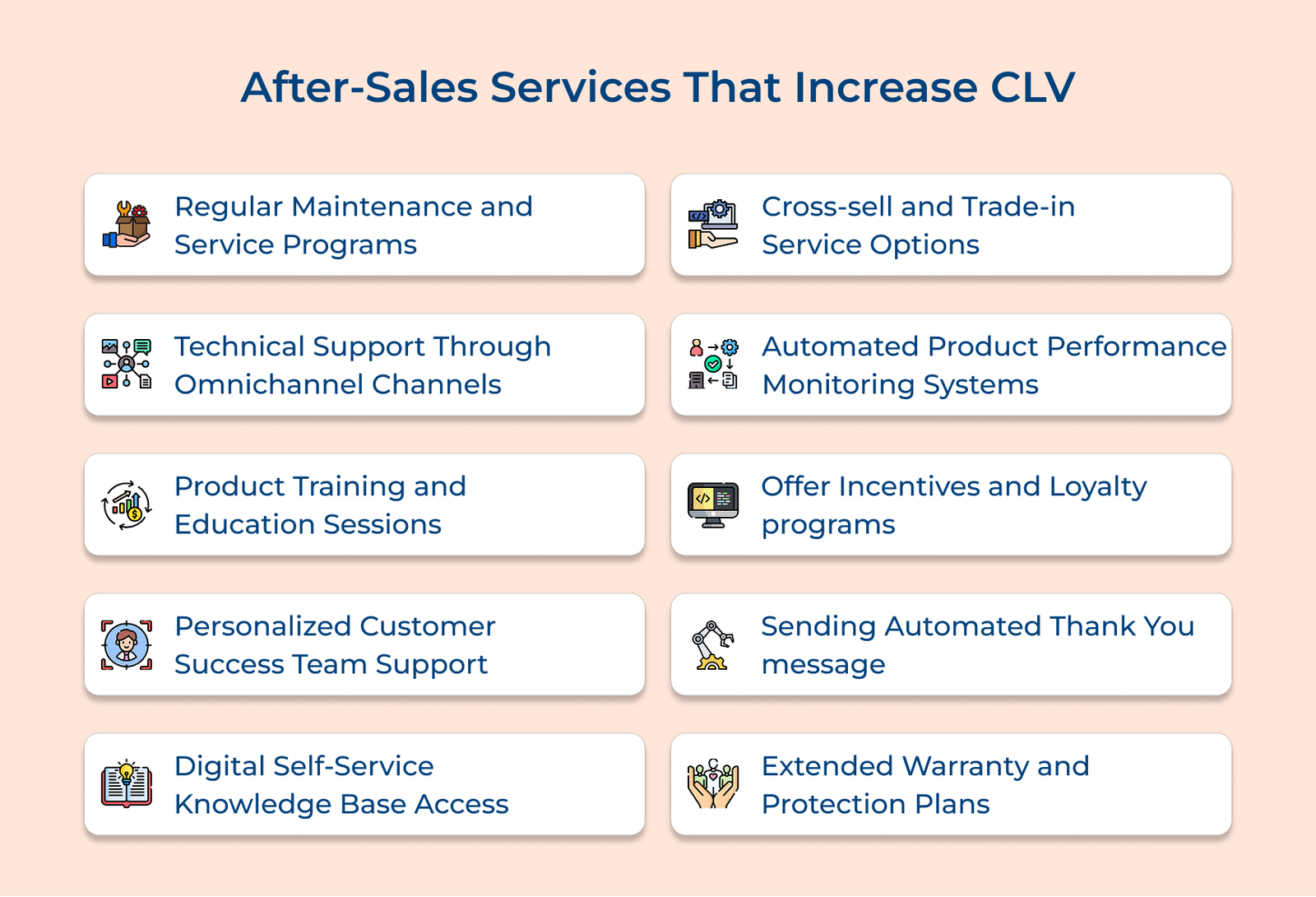
Proactive maintenance programs are essential for keeping products running smoothly. They help prevent breakdowns, extend product lifespan and reduce unexpected downtime. A well-organized maintenance plan shows customers that you’re committed to supporting them long after the sale, building trust through consistent, reliable care.
Schedule Preventive Maintenance at Regular Intervals
Set a clear schedule for maintenance based on how products are used. During the visits, service teams inspect key components, replace worn parts and make necessary adjustments. Regular maintenance helps spot potential problems early, often avoiding costly repairs down the line.
Offer Remote Diagnostics Support Services
Remote diagnostics allow technicians to assess product performance without needing to visit in person. Using specialized software, they can quickly identify issues and recommend solutions. It saves time, cuts service costs and helps fix problems before they get worse.
Offering help across multiple communication channels makes it easier for customers to get the support they need, when and where they need it. A strong omnichannel system keeps service quality consistent, no matter how customers choose to reach out. It’s all about making support accessible, convenient and responsive.
Live Chat with Real-Time Solutions
Live chat gives customers quick access to technical help without needing a phone call. Support agents can share screenshots, links and instructions while handling multiple chats at once. It’s a fast and efficient way to solve common problems on the spot.
Video Call Support for Complex Issues
Some problems are easier to solve when you can see them. Video calls let support teams diagnose issues visually and walk customers through solutions step by step. The approach often speeds up fixes and makes troubleshooting clearer for both sides.
Social Media Response Within Minutes
When customers reach out on social media, they expect fast answers. A dedicated support team monitors the channels and responds quickly with helpful solutions. Handling public questions well not only solves problems but also builds trust with a wider audience.
Product training and education sessions are essential parts of after-sales service support that help customers get the most from what they’ve purchased. Good training turns casual users into confident, skilled ones, reducing support needs and boosting overall satisfaction. The sessions are designed to make learning simple, practical and accessible.
A dedicated customer success team plays a key role in after-sales support by offering personal attention and strategic help. Instead of waiting for problems to arise, they focus on understanding each customer’s unique needs, goals and challenges.
The team starts by mapping out each customer’s journey and identifying important points for check-ins. They hold regular meetings to review product use, address any obstacles and suggest best practices. They tailor strategies to help customers succeed with the product by gathering feedback and tracking usage patterns.
Best practices:
A digital knowledge base is a crucial after-sales support tool that gives customers instant access to solutions, documentation and troubleshooting guides. It empowers users to solve problems independently, reducing support requests and improving satisfaction by offering immediate, reliable help.
Information must be easy to find and simple to follow for a knowledge base to be truly effective. Articles should be clearly organized, searchable and written in a step-by-step format. Good content anticipates common questions, provides thorough solutions and builds customer confidence in using the product.
Key questions:
The knowledge base should also use smart search algorithms to guide customers to the right information quickly. It must track popular searches, spot content gaps and update regularly based on real customer feedback.
Cross-sell and trade-in services strengthen the after-sales experience by helping customers upgrade their products or expand their setup. The services offer a win-win situation where customers benefit from better products at a lower cost and businesses create new sales opportunities while deepening customer relationships.
Personalized Product Upgrade Recommendations
Businesses can suggest timely upgrades or complementary products by analyzing customer usage patterns, purchase history and product life cycles. A thoughtful, data-driven approach ensures that recommendations are relevant, useful and genuinely improve the customer’s experience.
Special Pricing for Loyal Customers
Offering special pricing for loyal customers encourages repeat business and long-term commitment. Trade-in programs combined with exclusive discounts make upgrading affordable and rewarding, keeping customers within your brand ecosystem while boosting sales.
Performance monitoring systems give real-time visibility into product operation and health status, helping detect issues early. The systems allow businesses and customers to act before small problems turn into big ones by automatically tracking performance as well as sending alerts.
Real-Time Performance Metrics Dashboard Access
A live dashboard shows critical performance data in a clear, simple format. Users can monitor health checks, review historical trends and catch warning signs early, all of which help maintain top-level product performance.
Automated Issue Detection and Alerts
Smart monitoring tools scan data around the clock and trigger alerts if anything looks unusual. Immediate notifications allow quick investigation, reducing downtime and preventing costly failures.
Regular Performance Analysis Report Generation
Scheduled reports pull together usage patterns, maintenance history and performance trends into easy-to-read summaries. The insights help businesses fine-tune product care, plan upgrades and make smarter decisions over the product’s lifetime.
Check out three software solutions that transform the delivery of exceptional after-sales service by streamlining customer support operations and enhancing service quality.
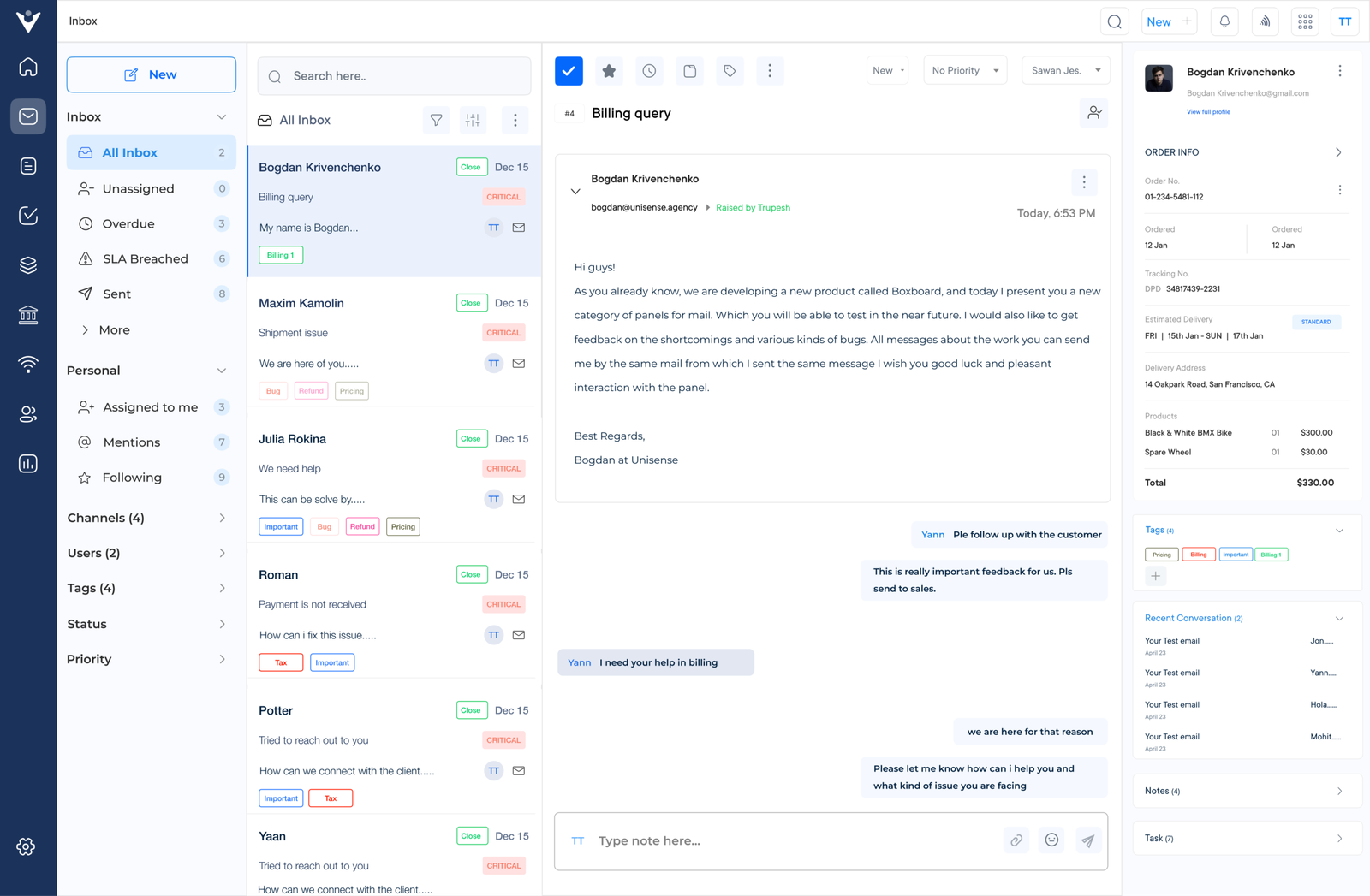
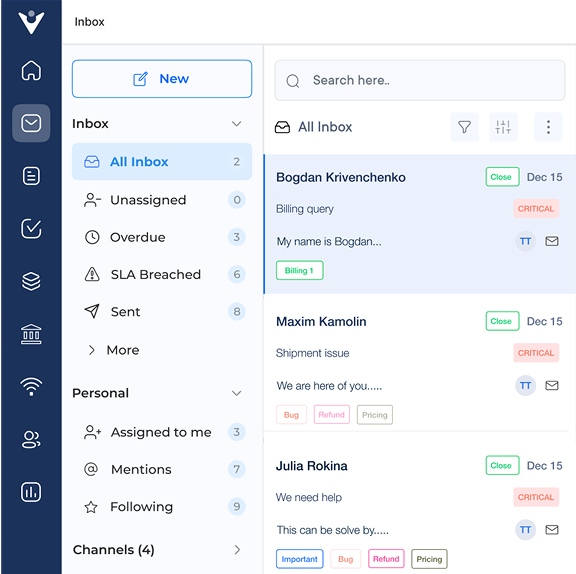
Veemo Support offers a complete customer support platform with strong after-sales service tools. It combines communication channels, email management, ticket tracking and automation into one system, making customer service easier. Built to serve businesses of all sizes, the tool also prioritizes security and customization.
Veemo Support stands out through its Smart Rules Engine, which automates repetitive tasks and its dynamic knowledge management system that improves over time by learning from real support interactions.
Key features:
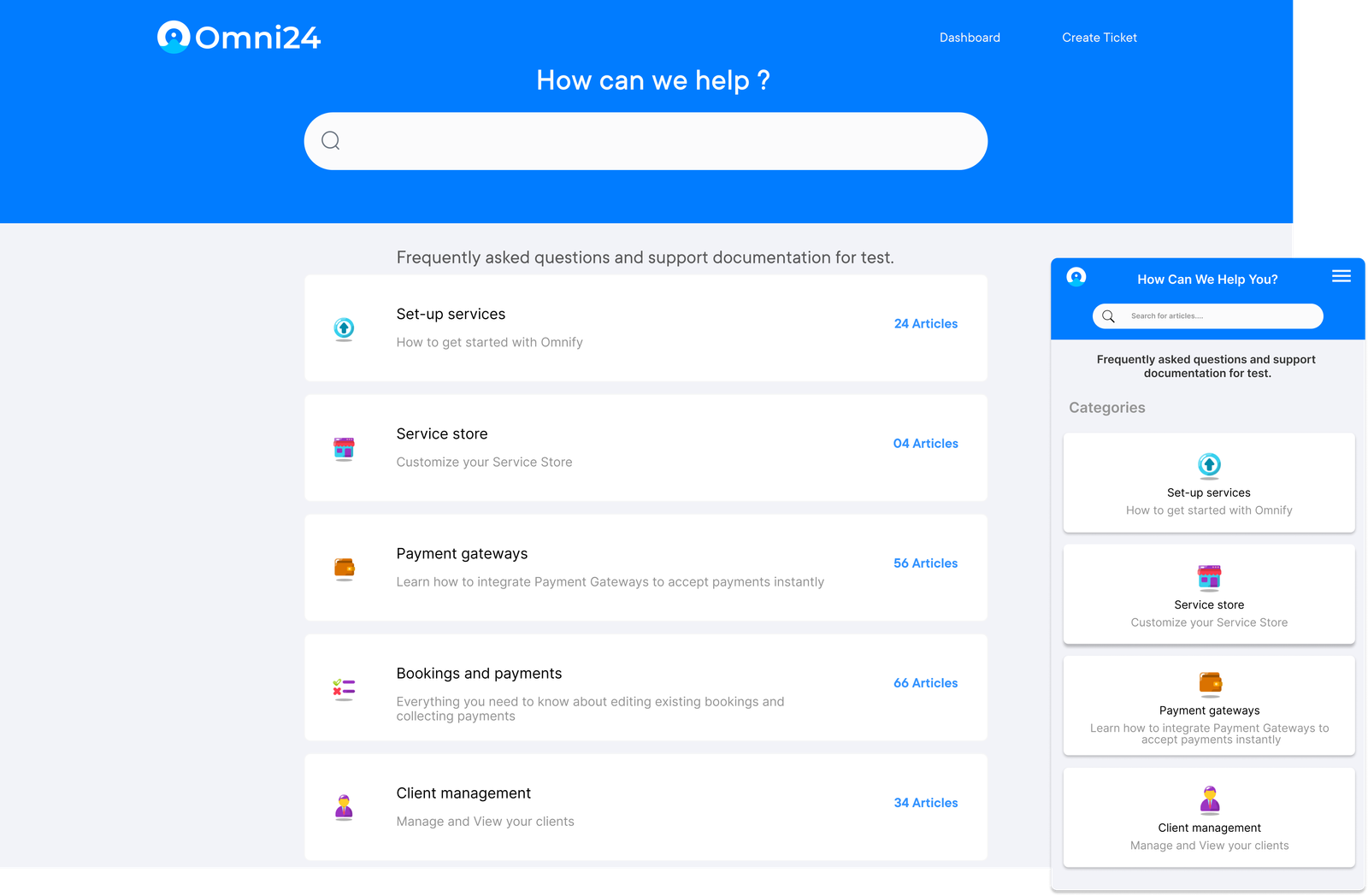
Omni24 is a digital customer experience platform built to streamline after-sales service. It brings together multiple communication channels into a single interface, allowing businesses to deliver consistent and personalized support across every customer interaction.
Key features:
Zendesk is an all-in-one after-sales service platform that consolidates customer interactions across email, chat, social media, support tickets and phone into one easy-to-use interface. The integration simplifies managing customer relationships and tracking service history.
The platform stands out with AI-driven automation that routes inquiries, predicts customer needs and suggests solutions based on previous interactions. It also offers customizable workflows tailored to your business processes, along with detailed analytics to measure service performance. Zendesk also provides tools to create a comprehensive knowledge base, enabling customers to find answers on their own.
Here are some extra tips that can take your post-sales service to the next level. Explore them to see how small changes can make a big impact.
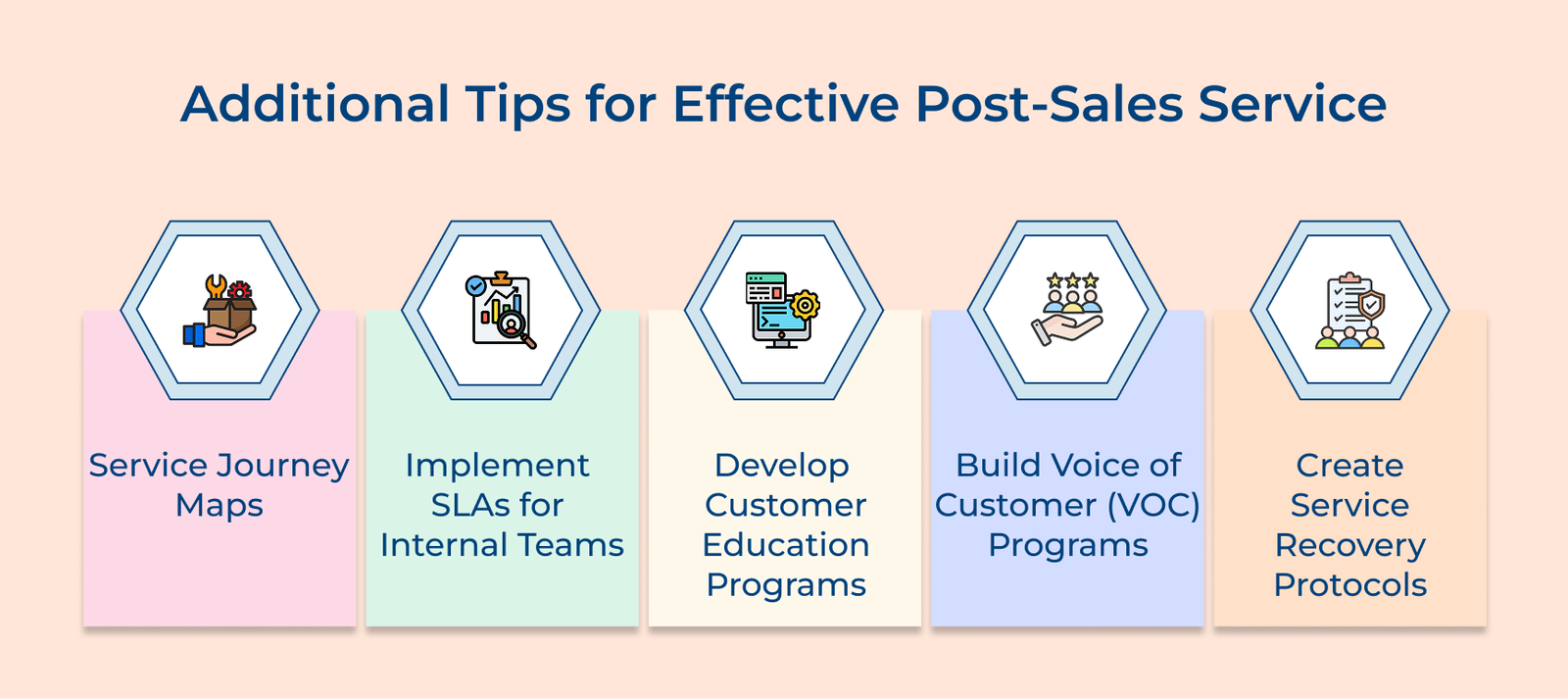
Create detailed customer service journey maps to identify all touchpoints and interaction moments. The approach helps businesses anticipate customer needs, streamline processes and eliminate potential pain points. Businesses can proactively design a smoother, more intuitive service experience by understanding the customer journey.
Establish clear internal service expectations that go beyond just response times. Include quality metrics, communication protocols and expectations for cross-departmental collaboration. The specific, measurable standards ensure consistent service delivery and accountability across all teams.
Provide learning resources to help customers maximize the value of your products or services. It could include regular webinars, feature updates, newsletters or community events. The better customers understand what they’re using, the fewer issues they’ll face and the more value they’ll get from your offerings.
Set up systematic methods to capture and analyze customer feedback through surveys, focus groups and support interactions. Using the insights, businesses can improve service strategies that are genuinely aligned with customer needs and preferences.
Create clear processes for handling service failures and customer disappointments. Empower your team to act swiftly and turn negative experiences into opportunities to showcase your commitment to customer satisfaction. Having the recovery protocols in place helps you build stronger, more resilient customer relationships.
Check out the key metrics for measuring after-sales service success, which help evaluate service effectiveness to ensure continuous improvement.
Key questions:
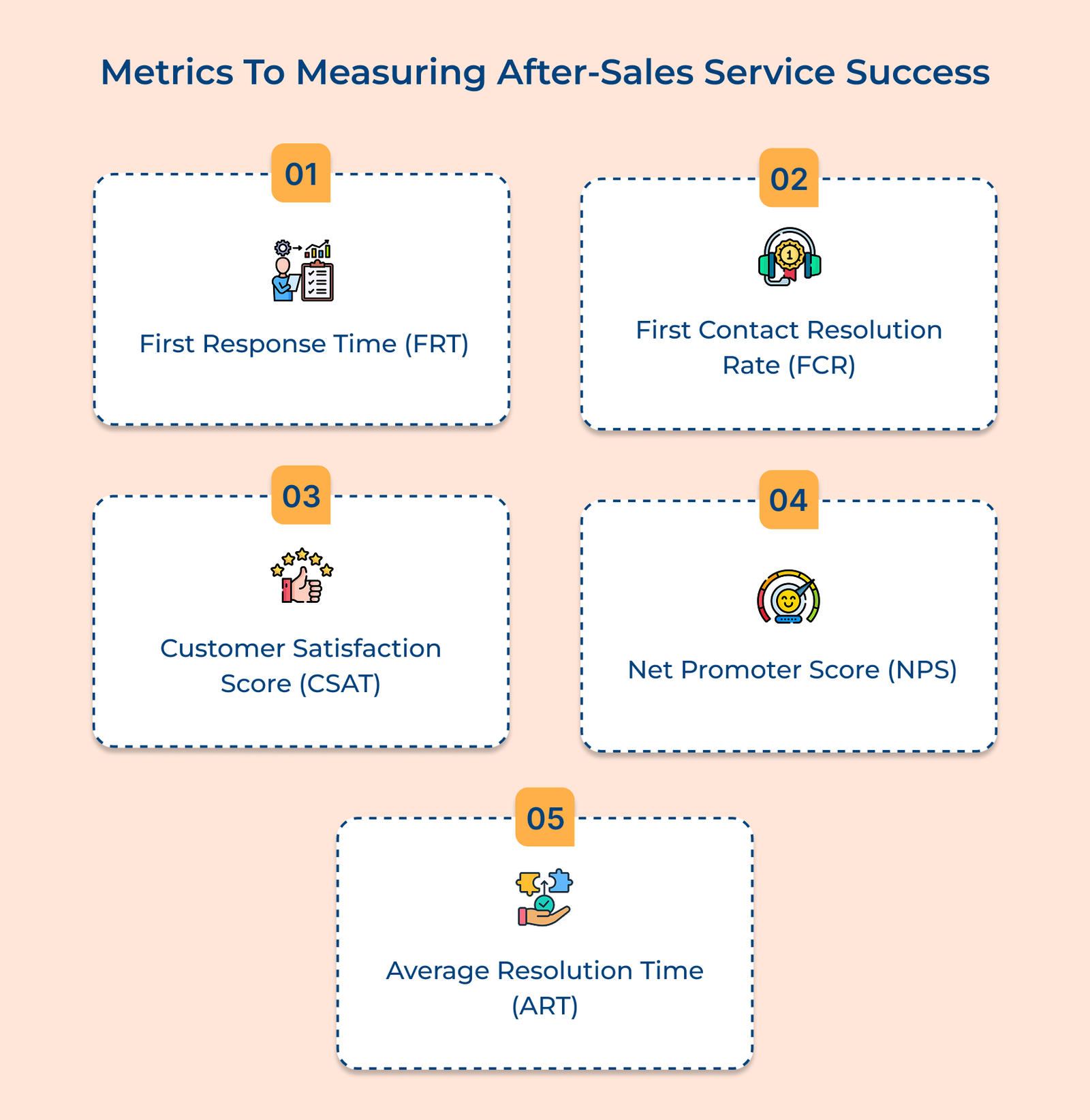
1. First Response Time (FRT)
FRT tracks how quickly your team replies to customer inquiries across all channels. A faster response shows customers they’re being heard and helps ease frustration early in the process.
2. First Contact Resolution Rate (FCR)
FCR measures the percentage of issues solved during the first interaction, without any need for follow-up. A high FCR means your team handles problems efficiently and knows the product well.
3. Customer Satisfaction Score (CSAT)
CSAT captures how happy customers are with a specific service interaction, usually through a quick survey. Tracking CSAT regularly helps you spot what’s working and where service needs improvement.
4. Net Promoter Score (NPS)
NPS measures how likely customers are to recommend your business to others. It’s a strong indicator of loyalty and gives insight into how service experiences shape overall customer sentiment.
5. Average Resolution Time (ART)
ART tracks the average time it takes to fully resolve a customer issue. Keeping the number low means fewer delays, smoother service experiences and often happier customers.
The following are the three remarkable brands that have set industry standards through their exceptional after-sales service approaches.
1. Apple
Apple’s after-sales support stands out through its Genius Bar service and AppleCare plans. Customers can get in-person technical help, online troubleshooting, scheduled maintenance and even express device replacements all delivered with a consistent experience across every channel.
The strong service culture has helped turn Apple into more than just a tech brand; it’s a part of its customers’ lives. Knowing they’ll get reliable support gives people confidence to invest in premium products, fueling loyalty, repeat purchases and enthusiastic brand advocates.
2. BMW
BMW combines high-tech and personal service into its after-sales care. Their ConnectedDrive system monitors car health in real-time, while service centers offer perks like loaner vehicles during repairs. Owners can track service progress digitally, get help on the go through mobile assistance and even attend exclusive events.
BMW’s approach makes the brand feel like more than just a car, it’s a long-term investment backed by attentive service. The experience helps customers justify the premium price tag and strengthens long-term relationships with the brand.
3. Samsung
Samsung supports its customers with a mix of service centers, remote diagnostics, doorstep repairs and periodic free maintenance. Their Samsung Members app gives users quick access to personalized help and troubleshooting guides.
Samsung has been able to compete confidently in premium markets by building a dependable service network. Customers know that whatever product they buy, whether it’s a phone, fridge or TV, strong support is part of the package. The trust opens the door for more cross-sells and future purchases.
Exceptional after-sales service turns the customer base into long-term partners. When businesses genuinely invest in helping customers after the sale, they create experiences people remember and often share. It shows customers they’re valued for more than just a transaction, building trust, loyalty and stronger connections over time.
The effects of great support reach much further than immediate satisfaction. Consistently meeting and occasionally exceeding customer expectations makes a business stand out in ways that are hard for competitors to copy. Strong service builds deeper loyalty, encourages repeat business and strengthens the brand’s reputation in the market.

After-sales service in the automotive sector covers all the support a customer receives after buying a vehicle. It includes routine maintenance, warranty repairs, technical help and diagnostic checks. Services also extend to genuine parts replacement, driver education programs, roadside assistance and digital tools that track vehicle health. Together, the services help customers keep their vehicles in top condition and build long-term trust with the brand.
While after-sales services offer clear benefits, they also come with heavy operational costs that can strain profitability. Running service centers, maintaining a skilled workforce and keeping parts in stock all require significant investment. As customer expectations rise, managing service demands becomes harder. A single poor experience can hurt a brand’s reputation more than not offering support at all, making consistent service quality critical.
Effective after-sales support strengthens customer relationships by showing that the brand’s commitment doesn’t end with the sale. When customers get dependable help with product issues, they build trust in the company. Over time, the trust encourages repeat purchases, positive recommendations and greater loyalty, even when competitors try to win them over.
Technology is reshaping after-sales service by making support faster, smarter and more accessible. AI chatbots handle simple questions around the clock, while remote diagnostics and predictive maintenance spot problems before they cause bigger issues. IoT sensors track product performance in real time and mobile apps give customers quick access to service updates, repair histories as well as support tools whenever they need them.
Service teams need training that balances technical know-how with strong people skills. They must understand the products, know how to troubleshoot issues and follow clear service procedures. Just as important, they must learn how to communicate clearly, show empathy, adapt to different cultures and think quickly under pressure to solve customer problems effectively.
Grow Customer Relationships and stronger team collaboration with our range of products across the Conversational Engagement Suite.
Omnichannel Customer Support & Help Desk Software
AI Enabled Business Messaging and Chatbot Software
Sales Engagement & CRM Software
Call Center Software & Virtual Phone System
Product Marketing & Experience Platform
Customer Experience & Feedback Management Software

 9 Top CRM Tips and Tricks to Help Your Business Thrive in 2026
Scroll to top
9 Top CRM Tips and Tricks to Help Your Business Thrive in 2026
Scroll to top