How to Build a Sales Cadence? Steps, Examples & Metrics
Learn how to build a sales cadence with clear steps, practical examples and key metrics. It helps you organize outreach, engage prospects and improve conversion rates effectively.

Learn how to build a sales cadence with clear steps, practical examples and key metrics. It helps you organize outreach, engage prospects and improve conversion rates effectively.
Most B2B sales teams lose deals not because of weak leads, but because follow-ups fall apart. When outreach lacks structure, even high-intent leads slip away while competitors stay top of mind. A structured sales cadence is critical for maximizing sales, as 80% of sales require 5 or more follow-ups, yet 44% of sales reps give up after just one attempt.
Every missed follow-up costs more than just a reply. Prospects start to lose trust when communication feels scattered or inconsistent. Over time, that confusion erodes credibility and makes real business conversations harder to sustain.
When businesses know how to build a sales cadence, they can bring order to the chaos. Clear touchpoints, intentional timing and consistent messaging help teams stay present without overwhelming prospects. Let’s dive in to learn about the cadence frameworks that help you convert more leads, stay organized and close with confidence.
A sales cadence refers to a planned sequence of touchpoints that helps you stay connected with prospects over time. Think of it as a roadmap showing when and how to reach out across channels like email, phone or social media. The goal is to keep prospects engaged, provide useful information and guide them toward a decision.
Your sales cadence operates like a well-orchestrated symphony where each touchpoint builds upon the previous one. You start with an initial contact attempt and then follow predetermined intervals between subsequent outreach efforts. Most cadences run for a few weeks and balance persistence with respect for the prospect’s time.
Key factors:
Let’s go through the reasons why knowing how to build a sales cadence is essential for businesses, helping teams turn scattered outreach into measurable, repeatable results.
Consistent pipeline generation
A sales cadence keeps your lead flow steady by guiding prospects through planned touchpoints. It prevents opportunities from slipping away and ensures every qualified lead gets the right attention.
Improved team efficiency
A well-designed cadence eliminates guesswork about when and how to follow up with prospects. Your team spends less time deciding what to do next and more time executing proven sales sequences that move deals forward systematically.
Higher Response rates through persistence
Reaching out across different channels increases the chance of connecting with busy decision-makers. Steady, respectful follow-up shows commitment while adapting to prospects’ preferred ways of communication.
Better lead qualification and segmentation
Each interaction provides clues about a prospect’s interest level. It helps you spot ready-to-buy leads quickly, while keeping less-engaged prospects in nurturing tracks until the timing is right.
Measurable process improvement
A cadence makes results trackable. You can see which messages work, refine timing and adjust steps to improve conversions across your entire sales process.
The following are the critical steps to building an effective sales cadence, helping you turn cold leads into loyal clients.
The first step in building a sales cadence is knowing exactly who you’re trying to reach. Without clear personas, your outreach risks being too broad and missing the mark. When creating prospect personas that drive successful sales cadence development, consider the essential elements that shape how prospects engage:
The detailed persona insights enable you to craft targeted messaging that speaks directly to each prospect’s situation. Let’s assume that a marketing director at a mid-size SaaS firm will respond differently from a CFO at a large manufacturer, requiring distinct value propositions and communication styles.
Goal-setting turns your sales cadence from random outreach into a strategic revenue-generating machine with measurable outcomes. Clear objectives guide your sales reps and set benchmarks to measure if your cadence is working.
Key questions:
The questions help you translate broad business goals into specific, actionable metrics that guide cadence design and execution decisions. They force you to think beyond activity-based metrics toward outcomes that actually impact your bottom line and revenue growth.
Beyond answering the foundational questions, B2B businesses should benchmark against industry standards while setting realistic targets based on current team capacity. Factor in sales cycle length and resources to create realistic targets, but still push for meaningful improvement.
Multi-channel communication maximizes your chances of reaching prospects through their preferred channels while reinforcing your message consistently. Different prospects prefer different channels, so using a mix boosts response rates and engagement.
Key considerations:
The main challenge is staying consistent without overwhelming prospects. The solution is to create simple templates for each channel that deliver the same core message but adapt the tone and format to fit the platform.
The order of your touchpoints shapes how prospects experience your outreach. Without a clear sequence, messages feel scattered and can hurt your credibility as a professional solution provider.
A good sequence works like a story. It takes prospects from first contact to recognizing their challenges and finally considering your solution. Each step should build on the last and move the conversation closer to booking a discovery call.
Best practices:
Your messaging decides if your prospects will end up responding or not. Generic messages that prospects ignore lead to poor response rates and wasted cadence efforts across your entire sales process.
Crafting compelling value-driven content requires focusing on specific prospect pain points while demonstrating clear solutions and measurable outcomes. Your messages should show prospects what they gain, not just list features or generic benefits.
Key examples:
The message types work because they focus on prospect outcomes rather than product features, while creating curiosity that encourages response. They show proof and relevance, positioning you as someone who understands their challenges and offers solutions.
Timing and frequency shape how prospects experience your outreach. Poor timing destroys relationships while proper spacing builds anticipation and demonstrates professional persistence that prospects appreciate.
Common guidelines:
Think about your prospect’s typical workday patterns and seasonal business cycles. Does your target audience work different hours or have busy periods that might affect their responsiveness? Consider the factors when customizing your timing approach for maximum effectiveness.
The right tools make it easier to run a sales cadence and keep it consistent. Without proper technology integration, your team wastes hours on manual tasks that could be automated. It leads to inconsistent execution and missed follow-up opportunities.
Key factors:
The essential sales technology tools streamline cadence management and boost team productivity through intelligent automation:
Continuous testing and optimization transform your sales cadence from a static process into a dynamic revenue-generating machine that improves over time. Without regular adjustments, it becomes less effective as markets shift and prospect behavior changes.
Testing works by comparing different versions of your cadence elements, like subject lines, message content and timing intervals. You track responses and conversions to see which variations work, then apply the best across your sales process.
Pro tips:
Check out the key roles AI and automation play in building a sales cadence, from streamlining outreach to personalizing messages for better results.
Intelligent Lead Scoring and Prioritization
AI reviews prospect behavior and engagement signals to rank leads by likelihood to convert. It helps the sales team focus on the strongest opportunities while keeping lower-priority leads in automated nurture tracks.
Dynamic Message Personalization
Machine learning uses data like role, company and online activity to tailor email content automatically. It creates relevant touchpoints that feel personal without requiring hours of manual research.
Optimal Timing and Channel Selection
AI looks at past response data to find the best days, times and channels for outreach. It ensures messages arrive when prospects are most likely to engage positively.
Automated Follow-up Sequence Management
Automation platforms handle the complex logistics of multi-touch cadences, including scheduling, sending and tracking responses across email, phone or social channels. It keeps outreach consistent and frees sales reps to focus on real conversations.
Below are the advanced best practices and tips for building a sales cadence that helps you engage prospects effectively.
Implement Breakout Sequences Based on Engagement
Create separate outreach paths triggered by actions like email opens, website visits or downloads. It ensures engaged prospects get more relevant follow-ups than colder leads.
Layer Account-based and Individual Prospect Touches
Reach out both at the company level and to individual contacts. It creates multiple impressions across an organization, improving visibility and credibility with decision-makers.
Use Negative Response Triggers Wisely
If a prospect shows disinterest or asks to be removed, adjust your cadence automatically. It keeps communication respectful while helping refine future outreach.
Create Seasonal and Industry-specific Cadences
Build cadences that match budget cycles, industry timelines, or seasonal priorities. Tailoring your outreach makes it more relevant and timely.
Use Social Proof in Your Cadence
Share customer stories, industry stats or peer testimonials at the right moments. It builds trust and helps prospects make decisions with more confidence.
Below are the different types of sales cadences, each tailored to specific prospect situations. Let’s check them out in more detail.
Outbound cadences are designed for cold prospects who haven’t interacted with your company before. The goal is to build awareness and spark interest through consistent, multi-channel outreach that shows you understand their challenges.
Example 6-day outbound sales cadence:
Day 1: Send an email that highlights a specific industry pain point and how you can help.
Day 2: Send a personalized LinkedIn connection request, mentioning a shared interest or connection.
Day 3: Share a case study or industry report that’s relevant to their role.
Day 4: Make a call and leave a voicemail that connects back to your earlier email.
Day 5: Engage with one of their recent LinkedIn posts by leaving a thoughtful comment.
Day 6: Send a final email suggesting specific time slots for a call with a clear agenda.
The outbound approach typically generates 15-20% response rates when executed consistently with proper personalization and value focus. Prospects who engage often schedule discovery calls within the first week, leading to qualified opportunities that enter your sales pipeline.
Inbound cadences focus on prospects who have already shown interest through actions like visiting your site or downloading content. The sequences build on existing engagement and guide prospects toward deeper conversations.
Example 7-day inbound lead cadence:
Day 1: Welcome email thanking them for their interest, with immediate access to the requested content.
Day 2: Phone call within 30 minutes of form submission to strike while interest remains fresh.
Day 3: Educational email sharing additional resources related to their downloaded content or inquiry topic.
Day 4: Case study email featuring a similar company success story that demonstrates proven results.
Day 5: Follow-up call addressing any questions from previous materials while offering a consultation discussion.
Day 6: Social proof email highlighting customer testimonials and industry recognition your company has received.
Day 7: Clear call-to-action email with specific meeting scheduler link and agenda preview.
Inbound cadences typically achieve 40-60% engagement rates because prospects have already demonstrated interest in your solution. Most qualified prospects schedule discovery calls within the first five days, leading to higher conversion rates throughout your sales process.
Follow-up cadences are for prospects who engaged initially but then went quiet. The aim is to revive interest and address whatever may have stalled their decision-making.
Example 6-day follow-up cadence:
Day 1: Send a friendly check-in email with a useful industry update.
Day 2: Call to see if they have questions since your last interaction.
Day 3: Share news about a feature or update that could benefit them.
Day 4: Engage with their company’s latest post or announcement online.
Day 5: Send an email addressing a common concern you’ve seen in similar cases.
Day 6: Send a direct scheduling email, suggesting times to reconnect.
Follow-up cadences typically recover 25-35% of stalled prospects when executed with proper timing and relevant messaging. Re-engaged prospects often move faster through later stages since trust and rapport were already built earlier.
Let’s go through the key performance indicators to reveal which touchpoints drive results and where your sequence needs refinement.
Response Rate
The percentage of prospects who reply at any stage of your cadence. A healthy response rate signals that your message makes sense to the reader and is landing on the right channel. Low replies usually point to unclear positioning or poor timing rather than bad leads.
Conversion Rate by Touchpoint
Shows which specific steps in the cadence lead to meetings or qualified leads. This makes it easier to spot strong emails or calls and remove steps that add noise. Over time, this sharpens the entire sequence instead of relying on guesswork.
Time to First Response
Monitor how quickly prospects engage after your initial outreach to understand buyer urgency and refine your follow-up timing. Faster responses often indicate stronger product-market fit and messaging relevance.
Cadence Completion Rate
Tracks how many prospects go through the full outreach sequence. A sharp drop early on often hints at weak opening messages or too much outreach too soon. Consistent completion suggests the cadence feels relevant rather than intrusive.
Meeting-to-opportunity Conversion
Measures how many meetings turn into real sales opportunities. It connects outreach quality directly to pipeline impact. Strong numbers here usually mean your messaging is attracting the right people, not just anyone willing to take a call.
Building an effective sales cadence turns scattered outreach into a clear, repeatable process. It helps you stay consistent, maintain prospect relationships and guide them smoothly through their decision-making journey.
Remember that successful cadences require continuous refinement based on real performance data and prospect feedback. Start applying the steps today to build a steady pipeline and stronger customer conversations.

A sales cadence is a structured sequence of touchpoints designed to systematically engage prospects over time through multiple channels like email, phone calls and social media. It gives you a repeatable way to stay in touch with prospects so no lead slips away and every conversation has a chance to move forward.
Start by researching your ideal customer’s communication preferences and pain points, then create a logical sequence that provides value at each touchpoint. Mix channels wisely, space contacts to avoid overload and lead with useful insights instead of pushy product pitches.
The most effective cadences typically span 2-3 weeks with 7-12 touchpoints, combining emails, phone calls, LinkedIn messages and video messages. The best cadence for you depends on your industry, deal size and sales cycle, so adjust until you find the right balance.
A good starting point is 8–12 steps over 2–3 weeks. Fewer steps may not be enough to get noticed, while too many can feel pushy. The key is to adapt based on how your prospects respond.
Day 1: Introduction email with industry insight. Day 3: LinkedIn connection request. Day 6: Follow-up email with case study. Day 9: Phone call attempt. Day 12: Video email addressing a common challenge. Day 15: Final email with a valuable resource and a clear next step, creating multiple touchpoints across channels.
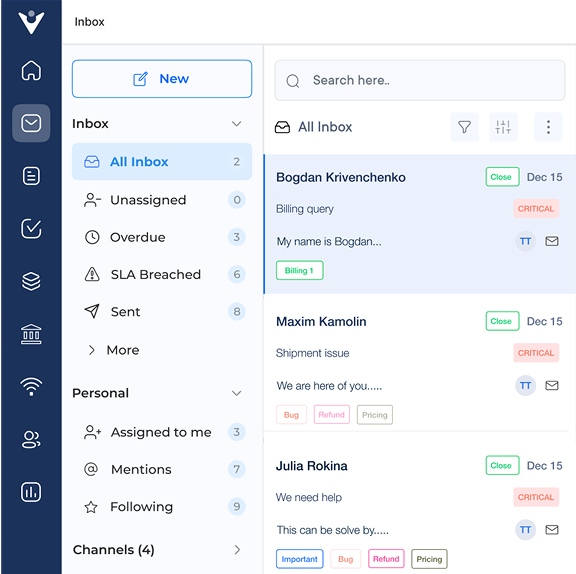
Grow Customer Relationships and stronger team collaboration with our range of products across the Conversational Engagement Suite.
Omnichannel Customer Support & Help Desk Software
AI Enabled Business Messaging and Chatbot Software
Sales Engagement & CRM Software
Call Center Software & Virtual Phone System
Product Marketing & Experience Platform
Customer Experience & Feedback Management Software
 What is Sales Cadence: Examples, Tips and Benefits
Scroll to top
What is Sales Cadence: Examples, Tips and Benefits
Scroll to top