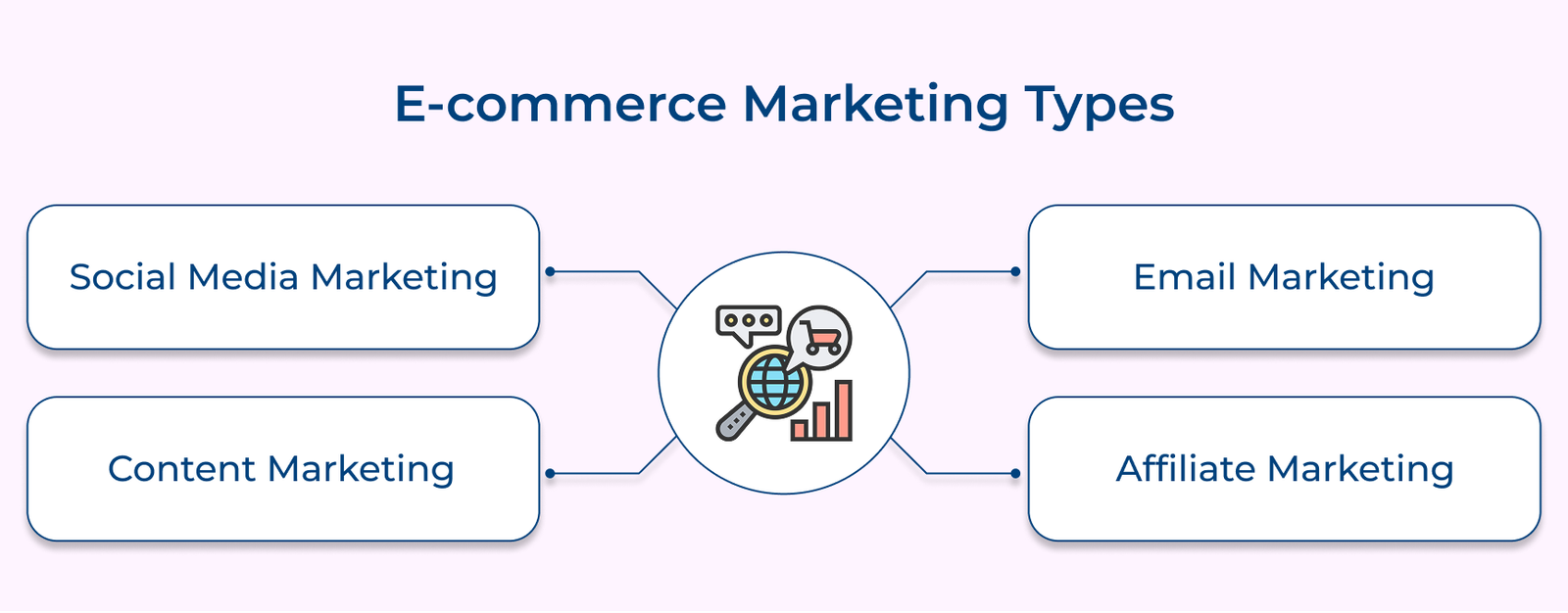
1. Social Media Marketing
Social platforms are powerful tools for boosting brand awareness and engagement. Through targeted content, community management and paid ads, businesses can showcase products, tell their brand story or connect meaningfully with their audience.
The platforms offer advanced targeting and analytics to understand customer behavior. Features like Instagram Shopping, Pinterest Product Pins and Facebook Marketplace enable brands to create seamless shopping experiences directly within social channels.
Use cases:
- Fashion brands leverage Instagram’s visual-first platform to launch new collections via stories, reels and shoppable posts, driving direct sales.
- Food and beverage companies enhance community engagement with user-generated content campaigns or live cooking demos on Facebook, increasing brand loyalty.
2. Email Marketing
Email remains a top channel for nurturing customer relationships and driving sales. 59% of consumers say marketing emails influence their purchase decisions, with over 50% saying they purchase from an email at least once a month. Businesses can deliver tailored messages, special offers and product recommendations directly to engaged customers by sending personalized campaigns.
Modern email marketing uses automation and segmentation to send relevant content at the perfect moment. Email keeps customers engaged throughout their journey from welcome emails to abandoned cart reminders and post-purchase follow-ups.
Use cases:
- Beauty brands send personalized skin care recommendation emails based on quiz results and purchase history, boosting average order value.
- Electronics retailers target customers with emails featuring complementary products and accessories, increasing cross-sell opportunities.
3. Content Marketing
High-quality content is key to educating customers, building trust and boosting search visibility. Content marketing guides customers through their entire purchase journey from blogs and buying guides to videos and infographics.
Effective content creation focuses on addressing customer pain points and highlighting product benefits. The approach not only builds authority but also drives organic traffic growth.
Pro tips:
- Tech accessory brands produce detailed comparison guides and video reviews to help customers make informed decisions.
- Craft supply stores create step-by-step tutorials that showcase product use and inspire purchases.
4. Affiliate Marketing
Partnership-based marketing expands reach through trusted recommendations. Businesses tap into established audiences by teaming up with influencers, bloggers and other key partners.
Effective affiliate programs offer appealing commission structures, solid tracking and strong support materials, enhancing mutually beneficial relationships that drive growth.
Use cases:
- Fitness brands collaborate with health influencers to showcase products in authentic workout videos.
- Software companies partner with industry experts to create in-depth reviews and educational content.
Ecommerce Marketing vs E-Commerce Advertising
Let’s go through the fundamental differences that set ecommerce marketing and e-commerce advertising strategies apart in the world of business.
1. Scope and Strategy
Marketing takes a holistic approach, guiding customers through every stage of their journey from awareness to post-purchase engagement. It combines multiple channels, tactics and long-term relationship-building to create a comprehensive brand experience that extends beyond immediate sales.
Advertising focuses on paid promotions aimed at boosting visibility and driving immediate actions. It typically involves direct investment in platforms like Google Ads, social media advertising, or display networks with clear cost structures.
2. Timeline and Results
E-commerce marketing focuses on both short-term wins and long-term growth. Strategies like content creation, SEO and community building may take time to show results but deliver lasting value.
Advertising campaigns generate quick results but require ongoing investment to sustain visibility and performance. Once the ad spend stops, visibility and traffic typically drop, making advertising more transactional compared to broader marketing efforts.
3. Customer Relationship Depth
Marketing focuses on building lasting connections by value through content, education and engagement. It aims to enhance brand loyalty, create community and nurture long-term relationships that drive repeat purchases.
Advertising is designed to grab attention and prompt immediate action, often with promotional messages or calls to action. While effective for conversions, it doesn’t build the same depth of connection as broader marketing strategies.
4. Cost Structure and ROI
Marketing investments involve a mix of time, talent, and tools with costs spread across various initiatives. While ROI can be hard to measure, it delivers long-term value through brand equity and customer loyalty.
Advertising has a clear cost structure with defined spending limits and measurable returns. Every click, impression or conversion can be tracked and sent directly to specific campaigns, making ROI easier to calculate.
5. Content Approach and Messaging
Marketing content is diverse, aimed at solving customer problems and adding value beyond product promotion. It includes blogs, guides, videos and other formats that help customers make informed decisions.
Advertising content is highly promotional, featuring clear offers and strong calls to action designed to drive immediate customer responses. The messaging is direct, focusing on specific products, deals or time-sensitive offers.
5 Steps to Document an E-Commerce Marketing Plan
Below are the five essential steps to document an e-commerce marketing plan, guiding you through the process of creating a structured, strategic approach to drive online sales.