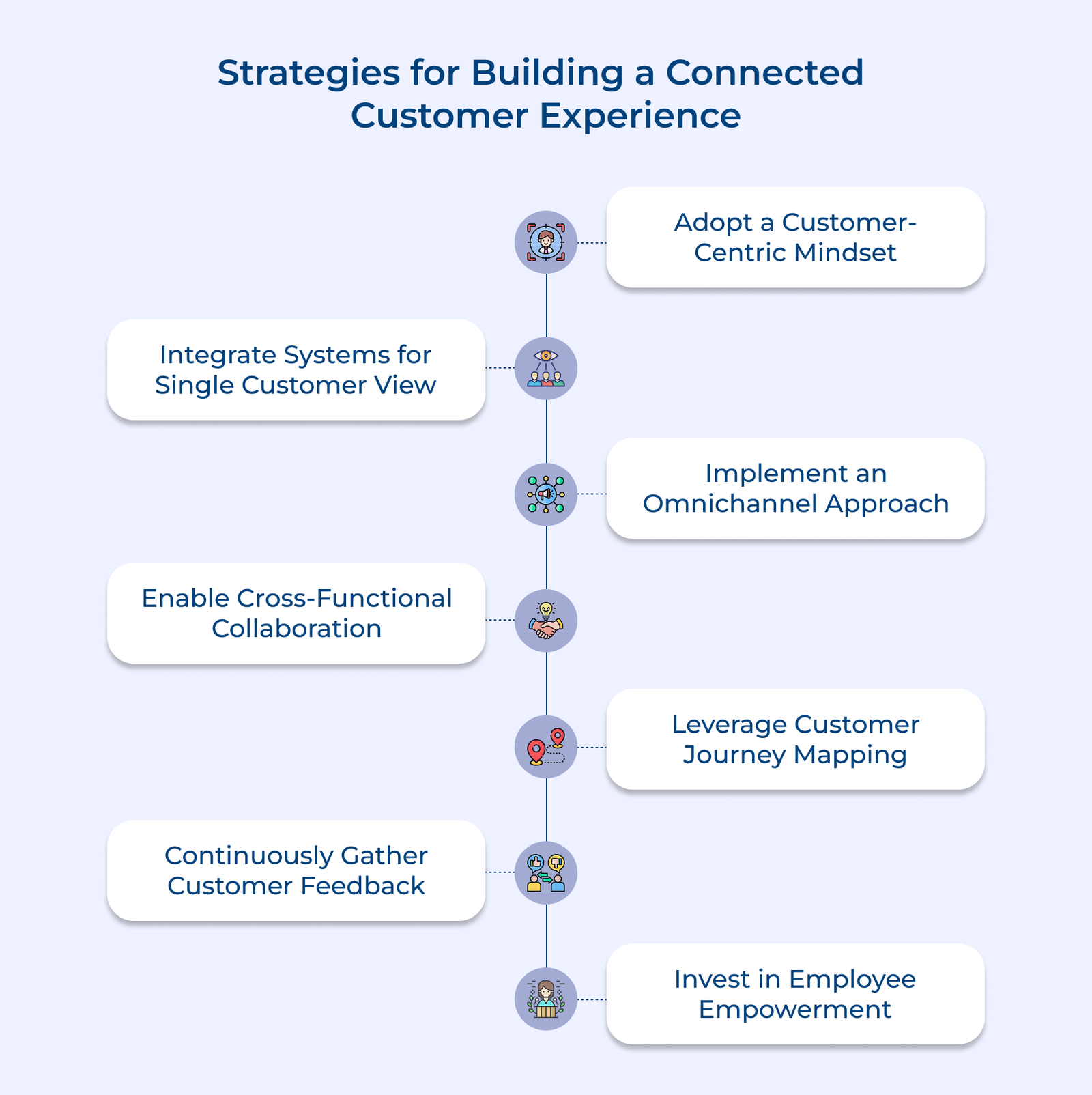
1. Adopt a Customer-Centric Mindset
Customer-centric culture focuses on putting the customer at the center of all business decisions, from product development to marketing strategies. Organizations can enhance customer satisfaction and drive business growth by prioritizing the needs of customers. Customer-centric brands report profits that are 60% higher than those that fail to focus on CX.
An excellent example of a company that has successfully implemented a customer-centric mindset strategy is Starbucks. The coffee giant is known for its personalized customer experience, where baristas remember customers’ names and favorite drinks. Starbucks has created a loyal customer base that keeps coming back for more by focusing on building strong relationships with customers.
Best practices:
- Use customer data to gain insights into their preferences, behaviors and needs.
- Engage with customers on a personalized level by addressing them by name, recommending products based on their past purchases and providing customized offers.
- Regularly solicit feedback from customers through surveys, reviews and social media channels to understand their satisfaction levels.
2. Integrate Data and Systems for a Single Customer View
A single-customer view strategy allows businesses to have a comprehensive understanding of each customer, resulting in personalized and seamless interactions across all touchpoints. One real example of a direct-to-consumer (D2C) brand that successfully implements the strategy is Warby Parker.
Warby Parker, a popular eyewear brand, utilizes integrated data to track customer preferences, purchase history and interactions across online and retail stores. It allows them to offer personalized product recommendations and consistent messaging to create a cohesive customer experience.
Best practices:
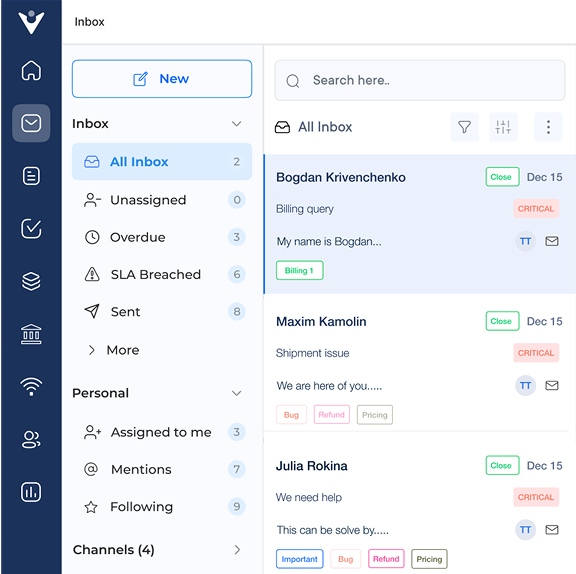
- Centralize and standardize customer data from all sources, such as CRM systems, e-commerce platforms and social media channels, to create a unified customer profile.
- Use advanced analytics and machine learning algorithms to analyze customer behavior, predict future preferences and automate personalized interactions.
3. Implement an Omnichannel Approach
An omnichannel strategy is crucial for creating a seamless and consistent customer experience across all touchpoints. Businesses that implement omnichannel strategies retain 89% of their customers. The approach allows customers to interact with a brand through multiple channels, such as online, mobile and brick-and-mortar stores, providing an integrated experience.
Nike allows customers to seamlessly transition from their online store to their mobile app to their physical stores, creating a cohesive shopping experience. Customers can browse products online, visit a store to try them on and then make a purchase through the app with ease.
Best practices:
- Develop a cohesive brand identity across all channels to ensure a consistent customer experience.
- Implement technology that allows for seamless integration between online and offline channels, such as using a unified CRM system to track customer interactions.
4. Enable Cross-Functional Collaboration
Cross-functional collaboration is essential for building a connected customer experience. Companies can create a seamless experience for their customers by breaking down silos between departments such as marketing, sales, and customer service.
Mayo Clinic has a team-based approach to patient care, where physicians, nurses and other healthcare professionals work together to provide individualized treatment plans for each patient. The approach ensures that all aspects of the patient’s care are coordinated and communicated effectively, resulting in a better experience for the patient.
Pro tips:
- Open line communication: Make sure that all departments have open lines of communication and can share information easily.
- Member roles: Clearly define each team member’s role within the collaboration strategy to avoid confusion or duplication of efforts.
- Cross-departmental collaboration: Enhance teamwork and cross-departmental relationships by rewarding employees who work well together to achieve common goals.
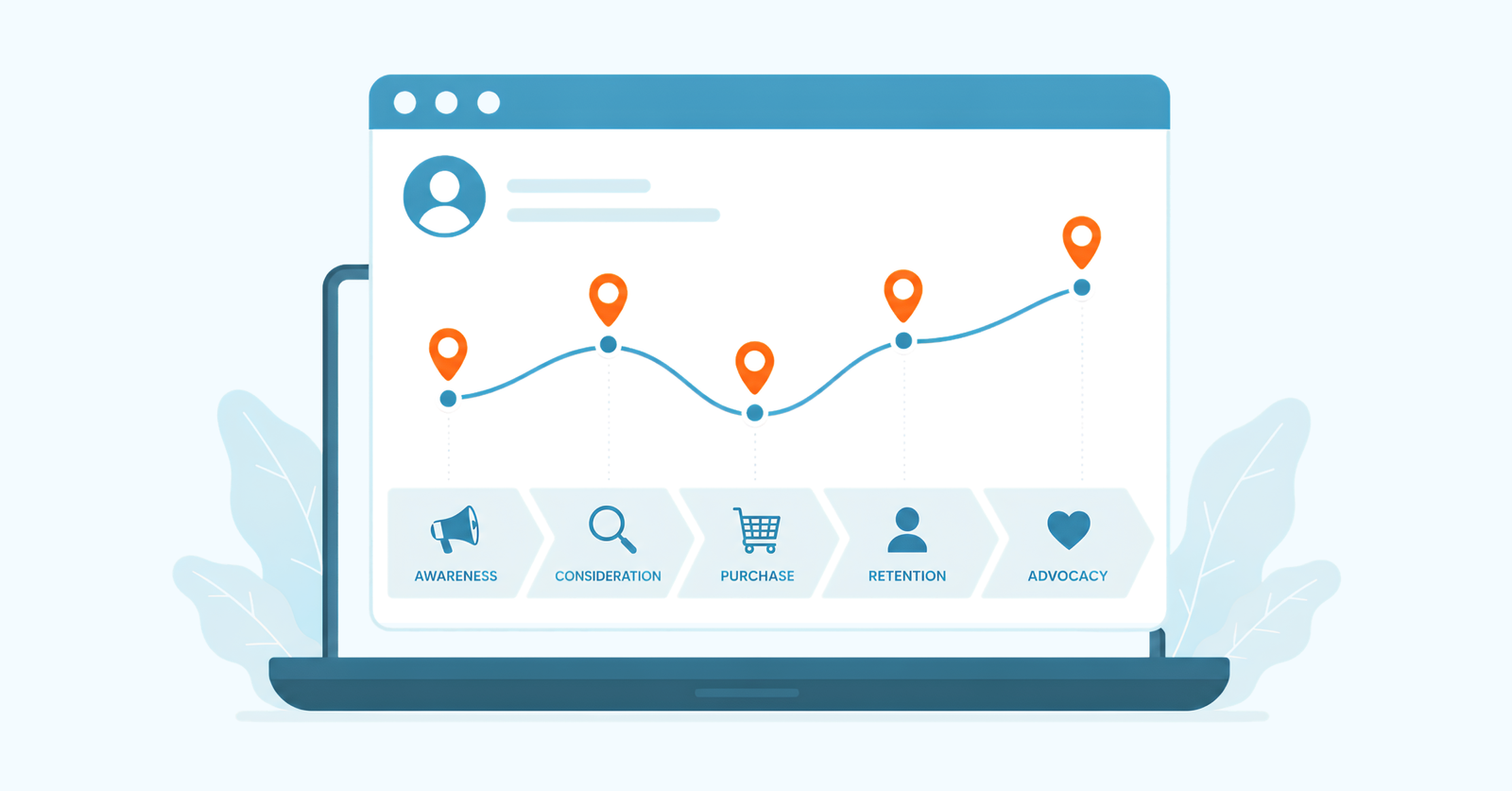
5. Leverage Customer Journey Mapping