1. Survey Distribution via Social Media
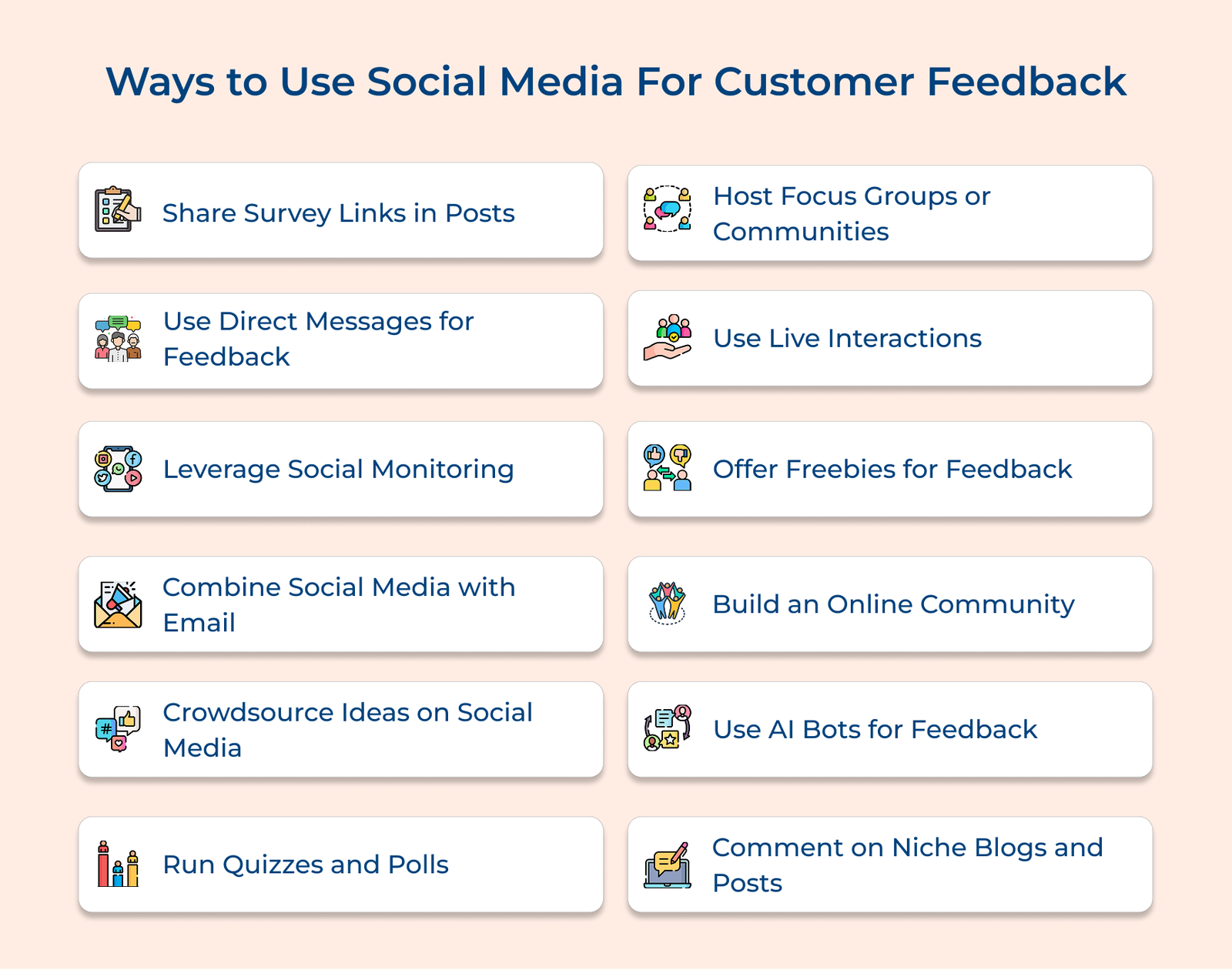
Sharing survey links on social media is a fast and effective way to gather feedback from a wide audience. Businesses can encourage followers to participate by creating engaging posts that emphasize the value of customer opinions. The approach is easily customizable, allowing businesses to target specific demographics and segments for more relevant responses.
The advantages of the method include low cost, quick data collection and the potential for viral sharing. Social media platforms’ built-in analytics help businesses track engagement and optimize their survey strategies. The casual nature of social media often leads to more honest, spontaneous feedback from participants.
Actionable tips:
- Incorporate attention-grabbing visuals or brief videos to showcase your survey and highlight its purpose in social media posts.
- Add a progress bar or estimated completion time within the survey to motivate participants to complete it.
2. Direct Messaging for Feedback
Using Facebook’s direct messaging feature for feedback allows businesses to connect with customers on a personal level. The one-on-one interaction makes customers feel valued and heard, leading to more thoughtful responses.
The personalized feedback approach promotes real-time dialogue and enables quick clarification, enhancing the quality of insights gathered. It’s especially effective for tackling sensitive issues or gathering in-depth feedback from key customers, helping businesses refine their strategies.
Actionable tips:
- Create a consistent outreach template, but tailor each message with the customer’s name and specific details about their previous interactions with your brand for a more personalized touch.
- Set up automated reminders to follow up on unanswered messages after a few days to increase response rates.
3. Social Media Monitoring
Social media monitoring involves tracking brand mentions, comments and discussions across platforms to capture unsolicited feedback. The approach helps businesses spot trends, address issues early and gain authentic insights into customer sentiment by listening to natural conversations.
Businesses use specialized tools that aggregate data from multiple platforms and deliver actionable analytics. The tools help categorize feedback, assess sentiment and identify potential brand advocates. Regular monitoring keeps businesses ahead of emerging issues, enabling them to adapt strategies in real time based on customer insights.
Actionable tips:
- Set up keyword alerts for your brand, products and industry to stay on top of relevant conversations.
- Regularly analyze sentiment to spot trends and proactively address recurring issues.
4. Combining Social Media with Email
Combining social media and email for feedback collection creates a powerful multi-channel strategy that boosts response rates. Businesses can ensure consistent messaging and maximize engagement opportunities across both channels by reaching customers through their preferred platforms.
Businesses can use email to drive customers to social media surveys or polls and promote email-based feedback campaigns on social platforms. Segmenting customers based on their activity across channels allows for more targeted and effective requests for feedback.
Actionable tips:
- Add social media buttons to your feedback emails to encourage sharing and expand the reach of your surveys.
- Use email to follow up with customers who have engaged with your social media feedback requests but haven’t completed the process.
5. Crowdsourcing Product Ideas
Involving customers in product development through social media crowdsourcing sparks innovation and enhances loyalty. Businesses build excitement around new products and gain valuable insights into preferences by valuing customer input.
Effective crowdsourcing campaigns often include hashtags, idea contests or voting on product features. Notable examples include Lay’s “Do Us a Flavor” contest, where customers voted on new chip flavors and LEGO Ideas, where fans contributed new set concepts.
Pro tips:
- Create a dedicated landing page or social media group to streamline idea submissions and discussions for your crowdsourcing campaign.
- Incentivize participation by offering rewards or recognition for top ideas, highlighting the importance of customer contributions.
6. Quizzes and Polls
Quizzes and polls are fun, interactive ways to gather feedback on social media. Use product quizzes, customer satisfaction assessments and preference surveys to engage your audience, while polls are perfect for quick opinion gathering or feature comparisons.
Platforms like Instagram Stories, Facebook Polls and Twitter Polls offer easy-to-use tools for creating interactive content. The engaging nature of the formats boosts participation and provides valuable, quantifiable insights into customer preferences.
Best practices:
- Leverage branching logic in quizzes to tailor questions based on previous answers, creating a personalized experience for participants.
- Combine poll data with other insights to craft compelling infographics that highlight the value of customer feedback.
7. Focus Groups and Community Hosting
Hosting virtual focus groups on social platforms offers businesses valuable, in-depth feedback from select customers. The groups, hosted on platforms like Facebook, LinkedIn or dedicated forums, provide a space for ongoing discussions and collaborative problem-solving.
The groups encourage customer engagement, peer support and continuous insights by enhancing a sense of community. They also serve as a testing ground for new ideas or products, allowing businesses to refine their offerings based on direct feedback before a broader launch.
How to implement:
- Set clear guidelines and moderation policies for your virtual focus groups to ensure productive, respectful conversations.
- Keep the community engaged by introducing fresh topics or challenges and gathering valuable feedback on key areas.
8. Live Interaction for Immediate Feedback
Live streaming on platforms like Facebook Live, Instagram Live or YouTube Live offers businesses instant feedback through real-time interactions. The sessions, whether product demos, Q&As or behind-the-scenes looks, enhance authentic engagement.
Live Q&As allow businesses to address customer concerns on the spot, clarify misunderstandings and show a commitment to satisfaction. The immediate feedback helps build trust and provides actionable insights for quick improvements.
Actionable tips:
- Plan key discussion points or questions ahead of time to steer the live stream and ensure you gather valuable feedback on important topics.
- Assign team members to monitor comments during the live stream and flag important questions or feedback for immediate addressing.
9. Incentivizing Feedback with Freebies
Offering incentives like discount codes, free samples or exclusive content can drive higher participation and more in-depth feedback. The key is to select rewards that resonate with your audience and align with your brand’s values, ensuring they feel meaningful to your customers.
Striking a balance between rewarding participation and maintaining the authenticity of the feedback is essential. While incentives can motivate responses, they should not overshadow the importance of honest, thoughtful input.
Pro tips:
- Offer tiered incentives to reward more detailed and thoughtful feedback, encouraging deeper responses.
- Make it clear that both positive and negative feedback is valuable, enhancing a culture of honesty.
10. Building Online Communities
Build customer communities on platforms like dedicated forums, Facebook Groups or custom spaces on your website to facilitate long-term engagement and loyalty. The communities create opportunities for ongoing feedback and user-generated content. According to Forrester Research’s report, 81% of companies have a consumer community or similar support channel.
Offer consistent moderation, engaging content and chances for members to contribute. Host regular events, provide exclusive offers and recognize active members to maintain vibrant communities that deliver valuable insights.
Pro tips:
- Launch a “Member of the Month” program to spotlight and reward active contributors who provide valuable feedback.
- Create themed discussion days or weeks focused on specific products or topics to generate targeted feedback and engagement.
11. AI-Powered Autoresponders
Chatbots on platforms like Facebook Messenger offer 24/7 feedback collection, guiding customers through structured surveys and follow-up questions. The AI tools efficiently gather data, allowing human agents to focus on more complex issues.
While chatbots provide consistent, immediate responses and can handle high volumes of interactions, they may lack empathy. Combining automation with human oversight ensures a high-quality customer experience.
Actionable tips:
- Create chatbot flows that easily transition to human support for complex issues or frustrated customers.
- Continuously review chatbot conversations to uncover recurring questions or problems, and use the insights to update FAQs or improve products.
12. Engaging with Industry-Relevant Content
Commenting on niche blogs or industry posts lets businesses engage in wider conversations and gain valuable insights from a diverse audience. You can position your brand as an industry leader and build connections with others in the field by contributing thoughtfully to content related to your products or services.
The approach helps uncover emerging trends, pain points and new opportunities that might not be evident through customer feedback alone. It also allows businesses to benchmark against competitors and better understand the broader market context, informing strategic decisions.
How to implement:
- Create a list of key industry influencers and blogs to monitor regularly for relevant discussions to engage.
- Create a system to capture key insights from industry discussions and integrate them into your product development.
Top 5 Social Media Platforms for Customer Feedback
Below are the best software solutions that can help you harness customer feedback through social media, ensuring you’re always one step ahead in meeting your audience’s needs.
1. Veemo Survey
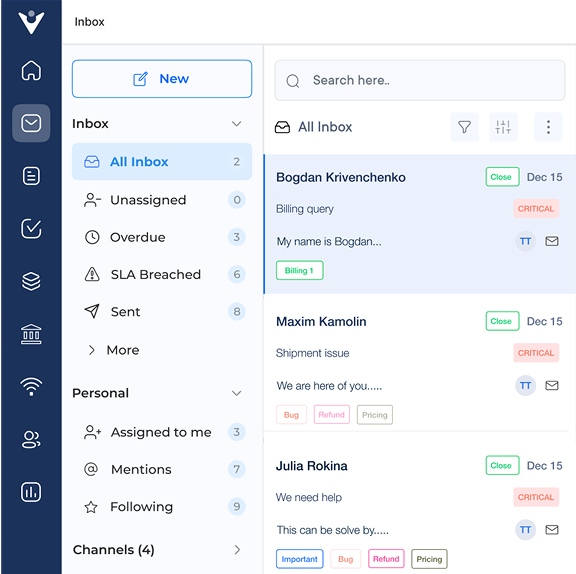
Veemo Survey is an all-in-one online reputation management tool that integrates with social media to streamline feedback collection. Businesses can easily create, share and analyze surveys across multiple channels with an intuitive interface. Its powerful analytics provide actionable insights into customer sentiment, helping companies make data-driven decisions to enhance products and services.
Key features:
- Distribute surveys seamlessly across top social media platforms.
- Use customizable templates with branching logic for tailored feedback.
- Analyze real-time sentiment and identify trends from social media responses.
- Automated review solicitation and management to boost online reputation.
- Integration with CRM systems for a holistic view of customer feedback and interactions.
Pricing: Veemo offers flexible plans starting at just $29/month. Sign up today for a 14-day free trial and experience how it can transform your sales operations.
2. SocialBee
SocialBee is an all-in-one social media management platform with built-in tools for collecting customer feedback. It helps businesses schedule posts, engage followers and track performance across various platforms. SocialBee streamlines surveys, polls or feedback collection across multiple channels with content categorization and automation features.
3. Sprout Social
Sprout Social is an all-in-one social media management tool with powerful features for collecting customer feedback. Its social listening, sentiment analysis and engagement tracking help businesses respond to customer insights across platforms, while its reporting tools offer valuable trends.
4. Canny
Canny is a product feedback platform that seamlessly integrates with social media to gather and organize customer suggestions. Businesses can create boards for customers to submit, vote on and comment on ideas. Canny’s prioritization tools and roadmap features help companies turn customer input into actionable, data-driven decisions.
5. Hootsuite Insights
Hootsuite Insights is a social media analytics tool that delivers real-time social listening across multiple platforms. It tracks brand mentions, hashtags and conversations, providing sentiment analysis to help businesses understand customer feedback.
Challenges of Using Social Media for Feedback
Check out the most common challenges faced when using social media for customer feedback and how to overcome them for a more productive engagement.